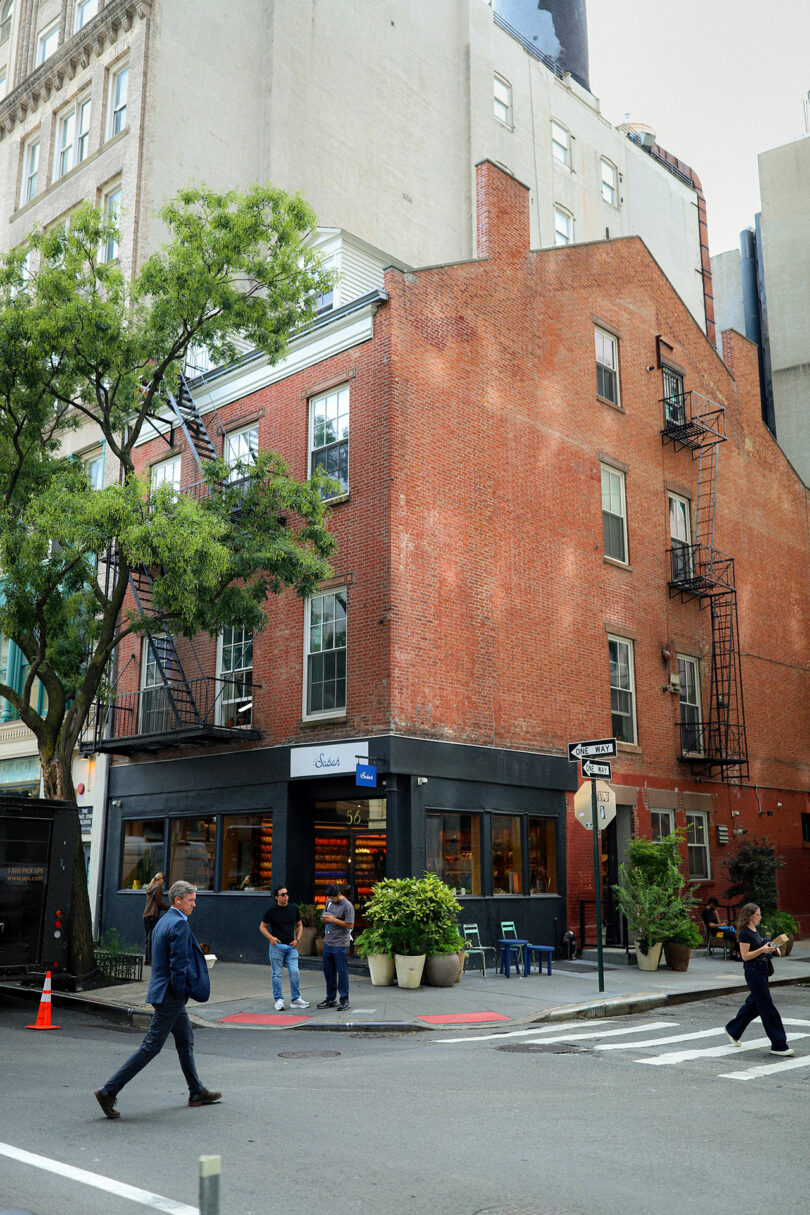
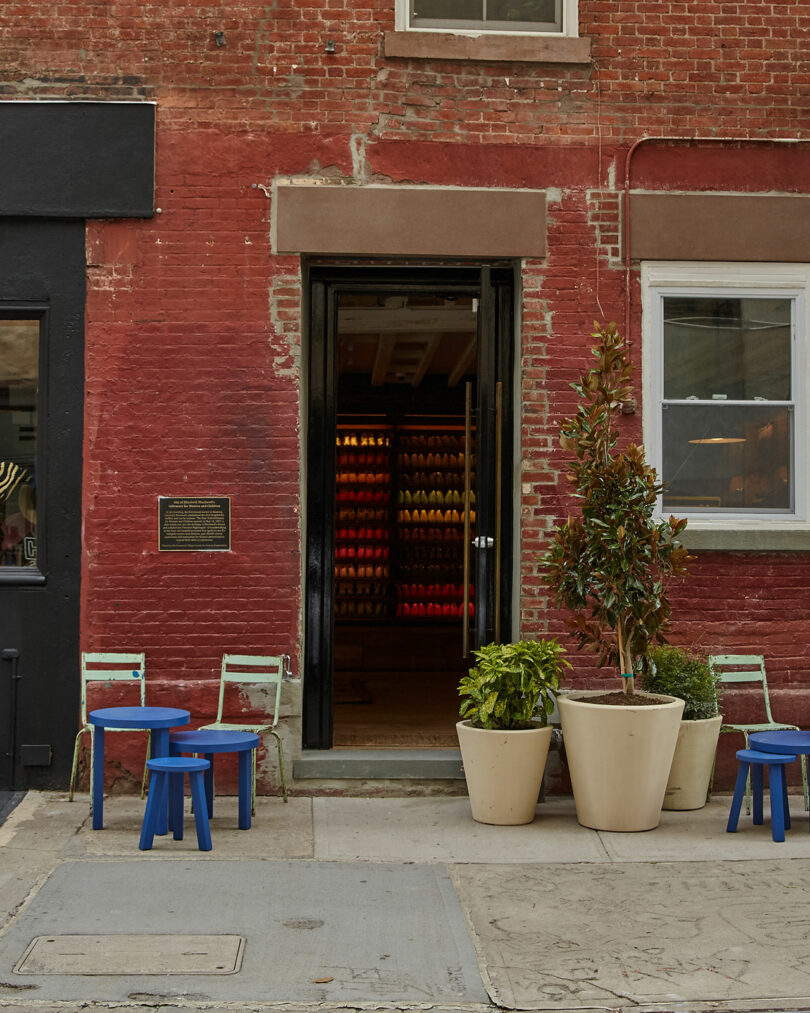
Completed in 1823 and clad in Flemish red brick, 56 Bleecker Street sits at the edge of the Bond Street district—one of the most exclusive enclaves in 1830s Manhattan. Once home to Jacobus Roosevelt II, great-grandfather of Franklin D. Roosevelt, the building also housed the practice of the first female physician in the United States, Dr. Elizabeth Blackwell. Drenched in history, the brick façade has aged remarkably well, all things considered. Paying homage to these ingrained traditions—and to the neighborhood that continues to support them—meet a local favorite, if you somehow haven’t already: Sabah.
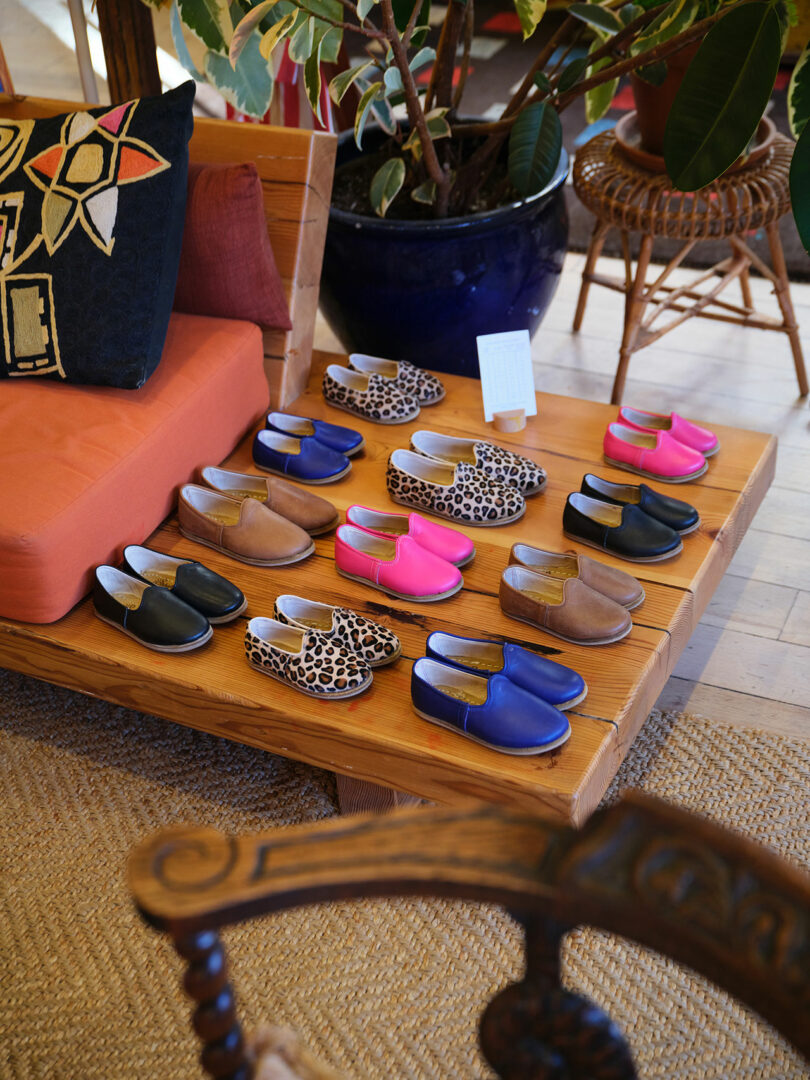
Sabahs are made entirely by hand from 100% leather in either Texas or Turkey—two regions with distinct yet deeply rooted relationships to the material. The result is a shoe that varies subtly from pair to pair, even within the same size. The store accommodates this nuance, sometimes trying on upward of twenty pairs to find the right fit.
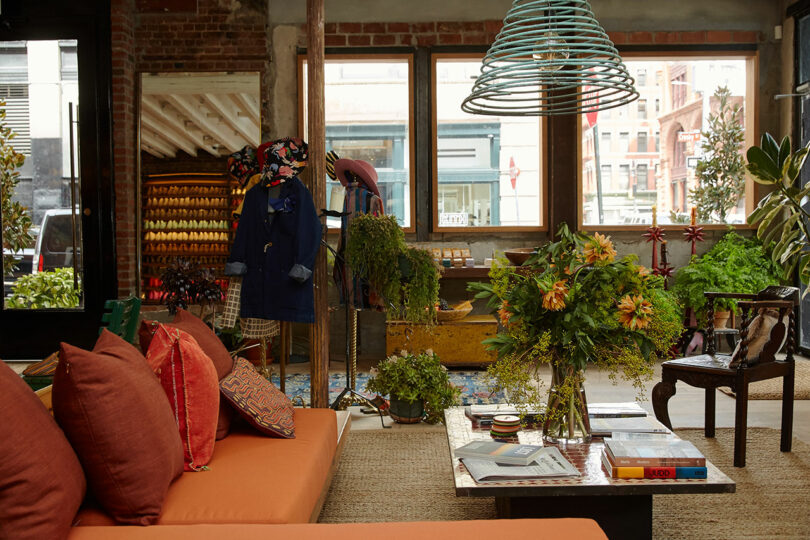
Inside, bespoke lighting by next-door neighbor Jill Platner casts each corner as a distinct vignette, inviting you to linger. This is intentional: as modern consumers, we’re accustomed to shoes that feel comfortable immediately—rarely pausing for those that require a break-in period, especially when made by hand. Outside of dedicated loafer enthusiasts, an all-leather shoe has become increasingly uncommon amid the rise of athleisure. Finding the right pair, then, becomes something of a Cinderella moment—when it fits, you know.
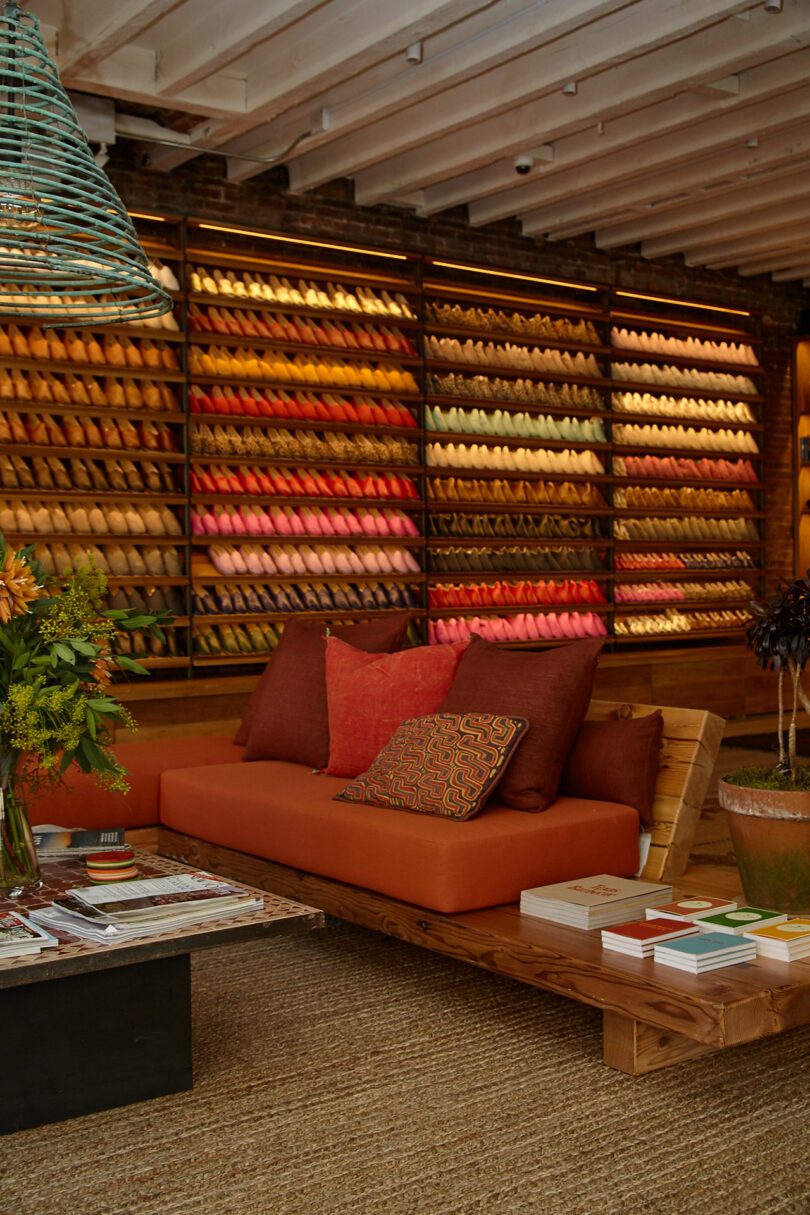
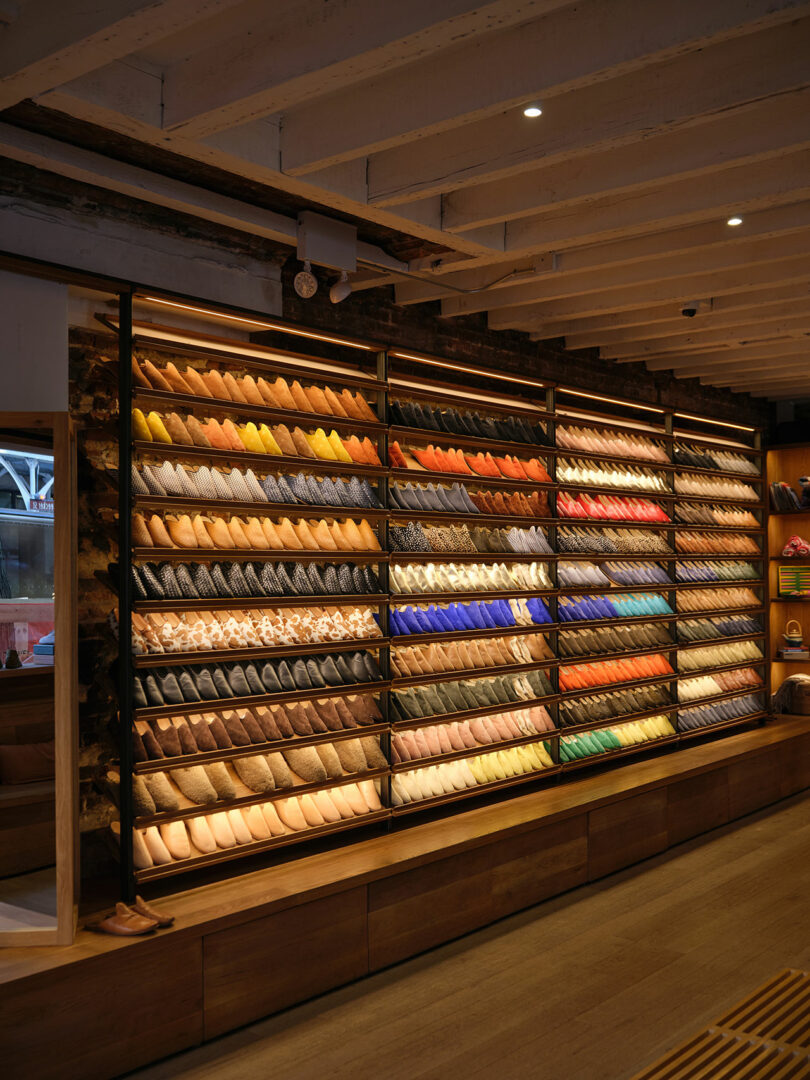
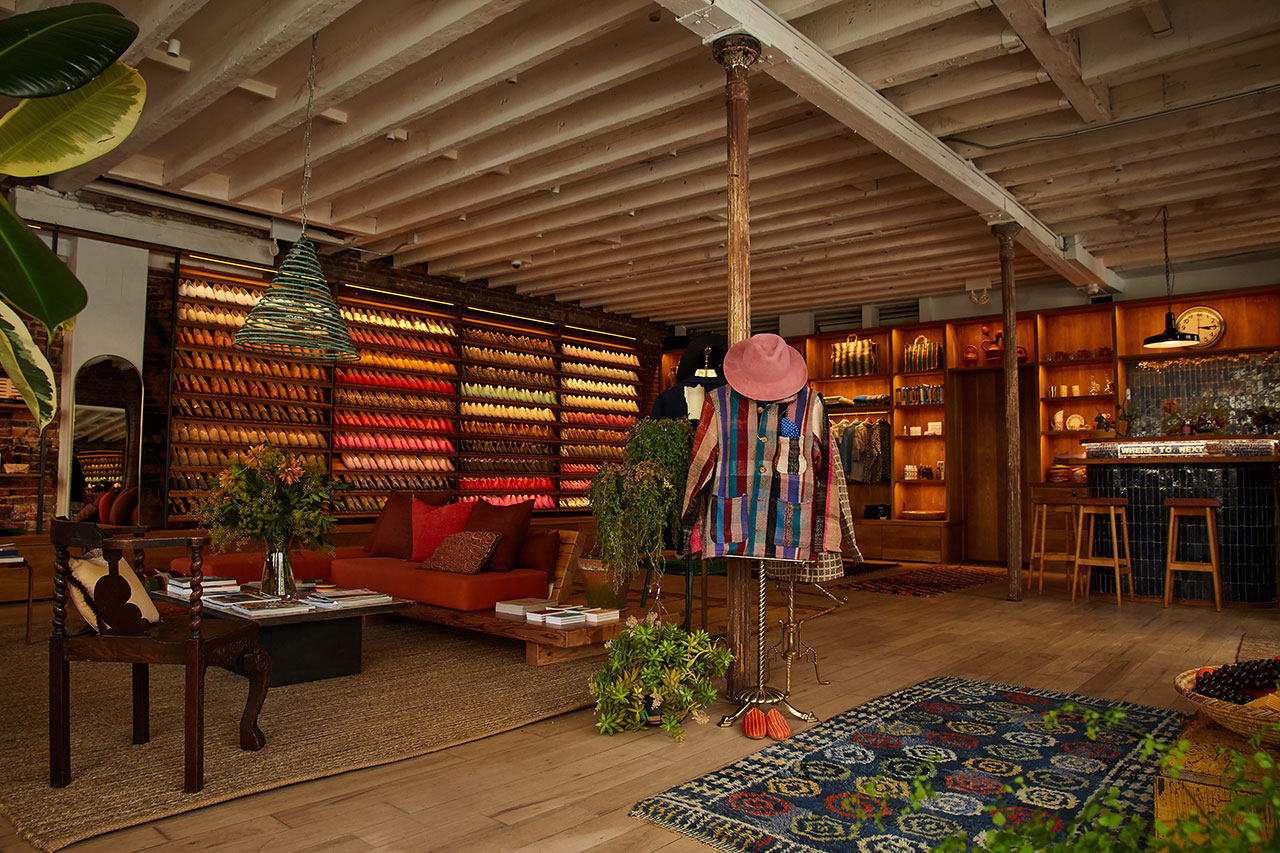
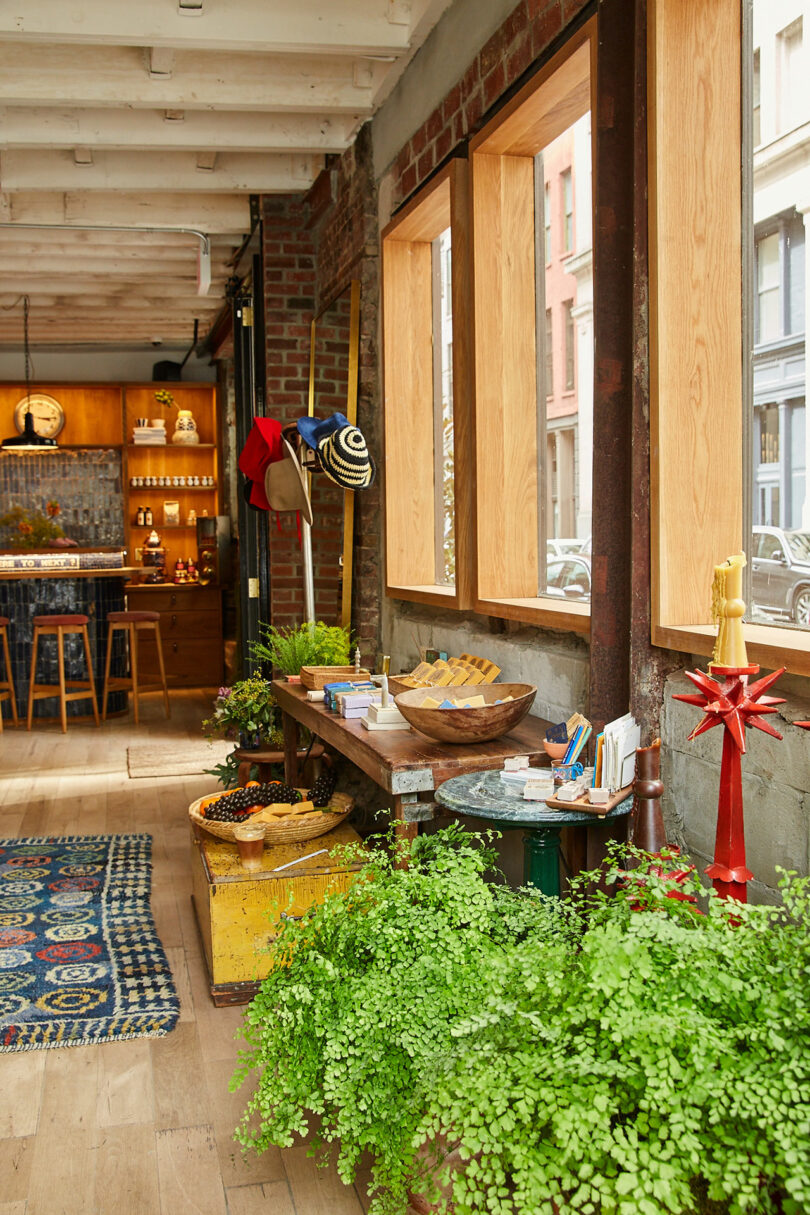
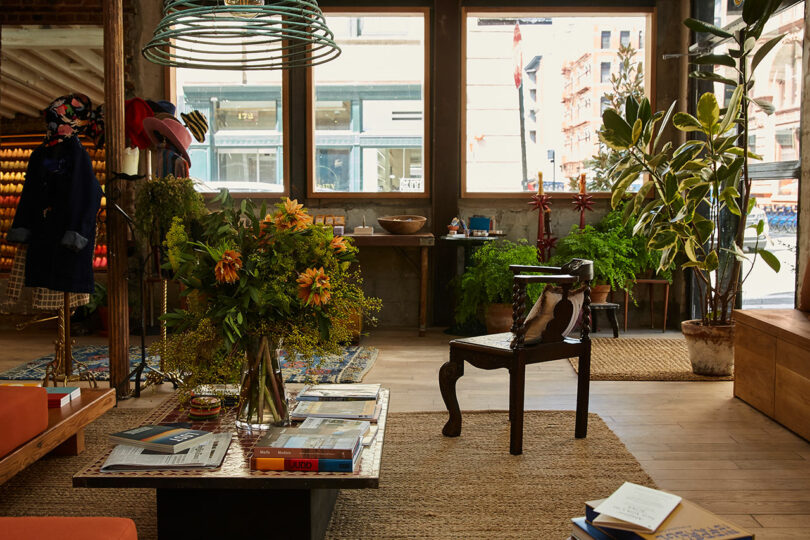
With prospective pairs scattered across the floor, the space feels aligned with centuries of use. Whether you’ve come to browse, shop, or simply sit, there is room for it all—a generosity in the walkways and merchandising that feels notably rare for the area. There’s space to relax, perhaps with a coffee, or a drink if it’s after five—or even before.
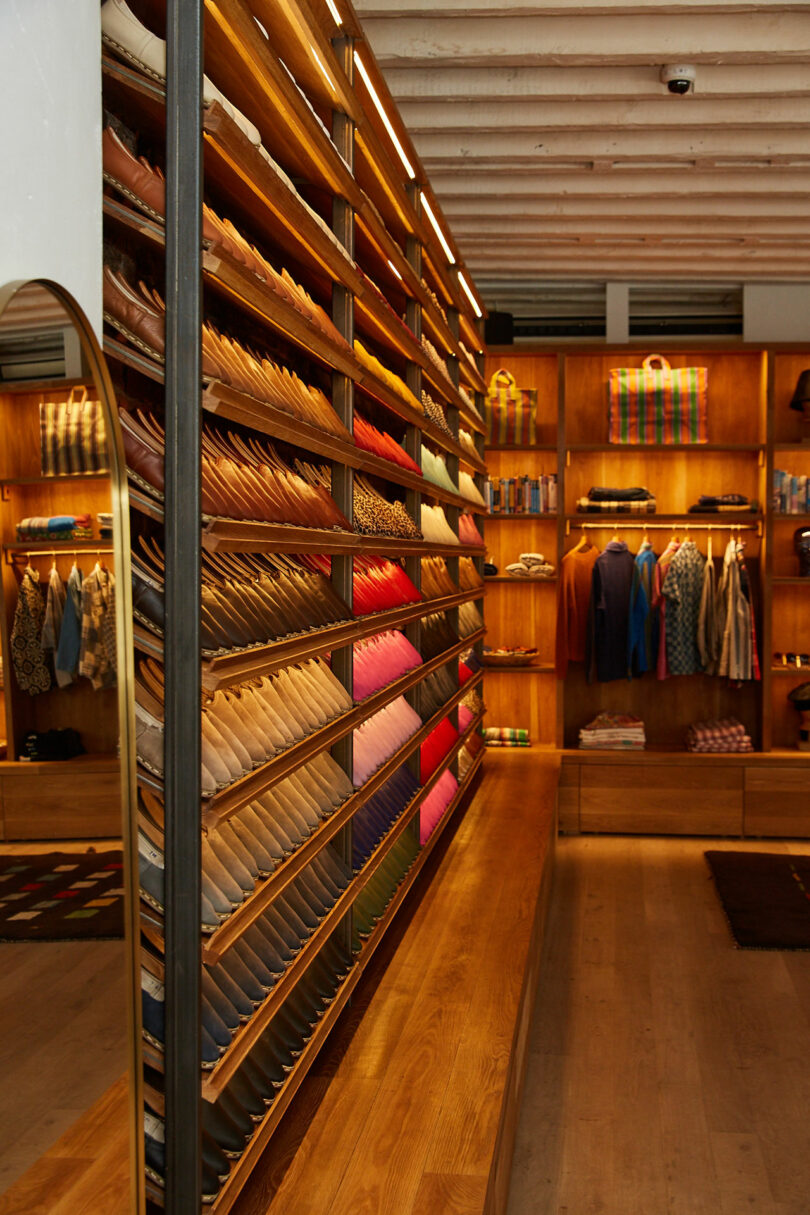
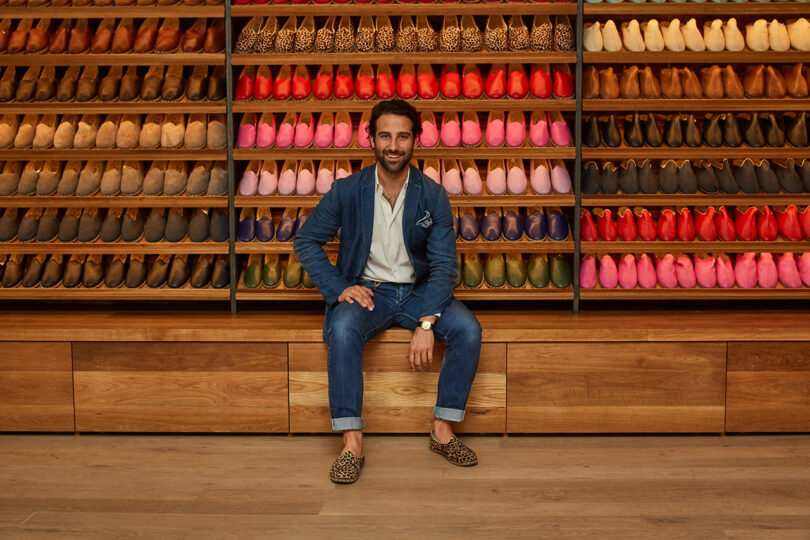
In a city where places to sit and stay a while are at a premium, Sabah House offers a quiet reprieve. Product ledges double as benches, with storage tucked below for additional sizes. In an era where many claim the mantle of the “third space,” this one delivers—a genuine refuge from the noise.
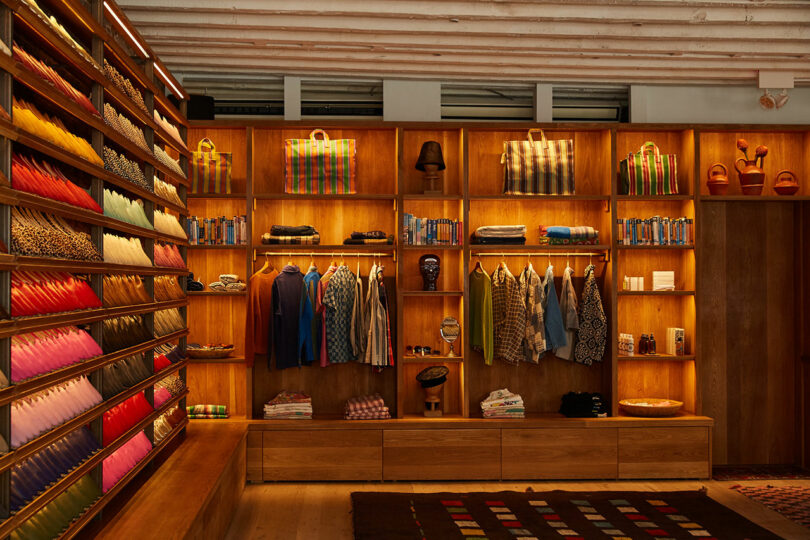
If the kitchen is the heart of the home, the bar is the heart of Sabah House NYC.
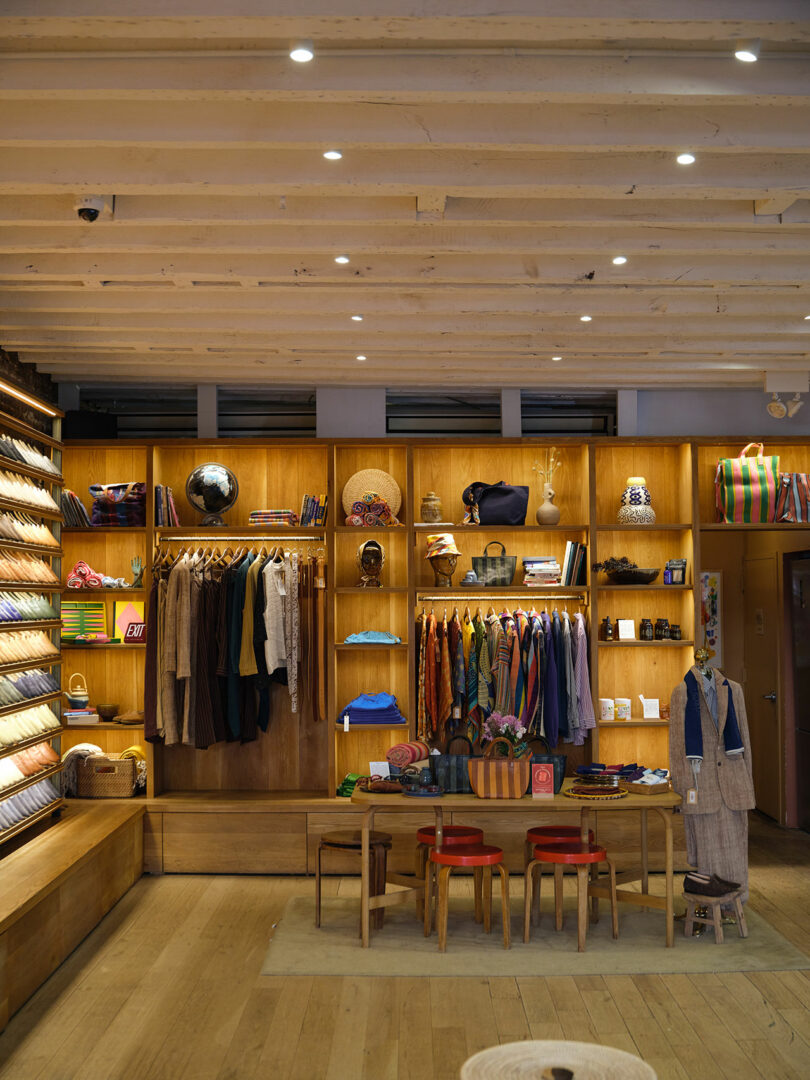
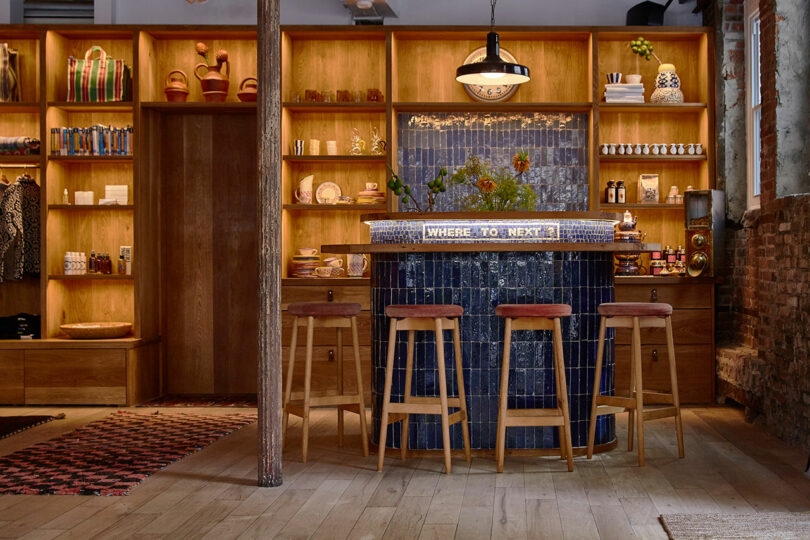
If the kitchen is the heart of the home, the bar is the heart of Sabah House NYC.
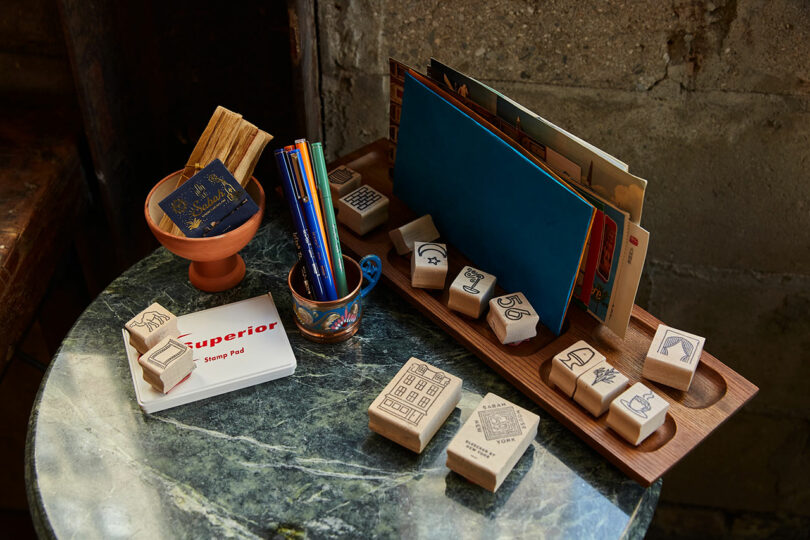
With a full range of kids’ sizing and a mini stamp bar featuring playful, themed icons, the space is notably family-friendly—though the stamps tend to attract everyone. Low seating invites climbing, while merchandising at multiple heights keeps the environment visually engaging from every vantage point.
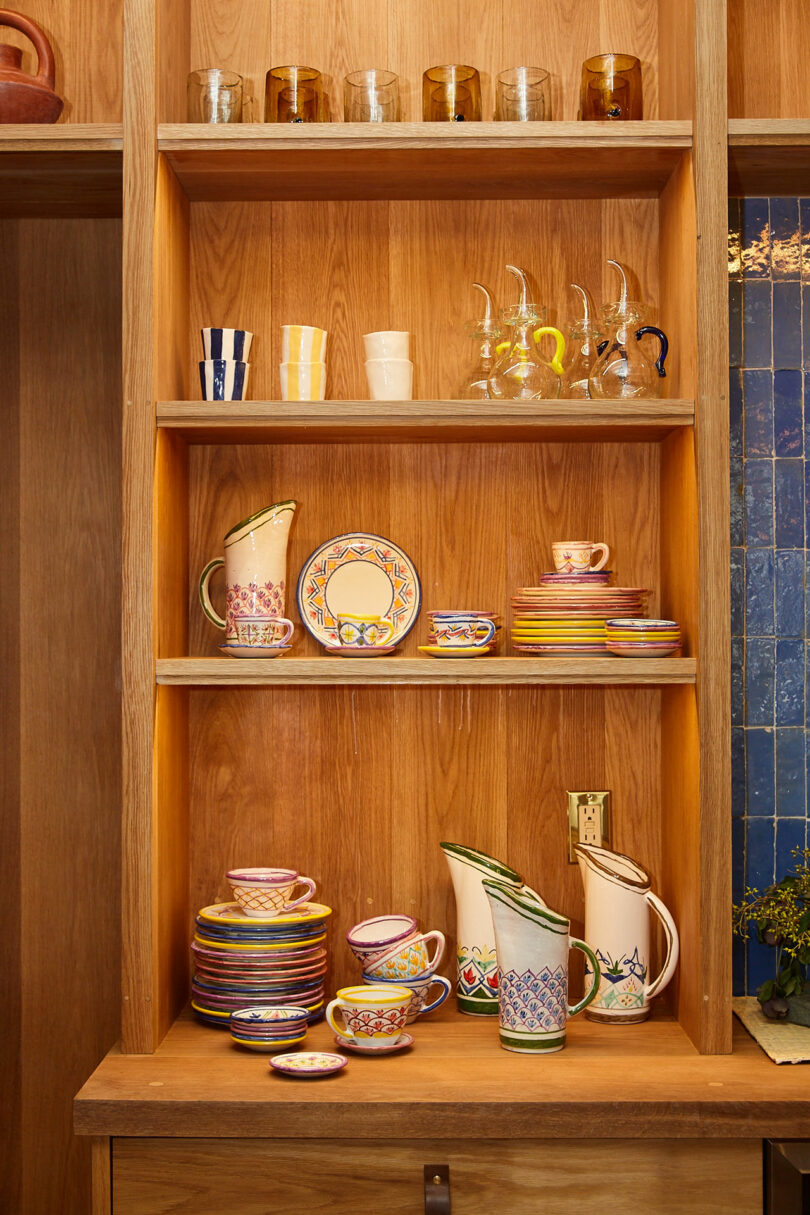
Founder Mickey Ashmore—locally referred to as the “Sabah Dealer”—began selling Sabahs out of his East Village apartment more than a decade ago. Each pair carries distinct maker’s marks, connecting customers directly to the hands that crafted them. In an age of ultra-fast fashion and increasing indifference to provenance, Sabah revives an older paradigm—one that feels surprisingly radical today: celebrating human idiosyncrasy as a feature, not a flaw.
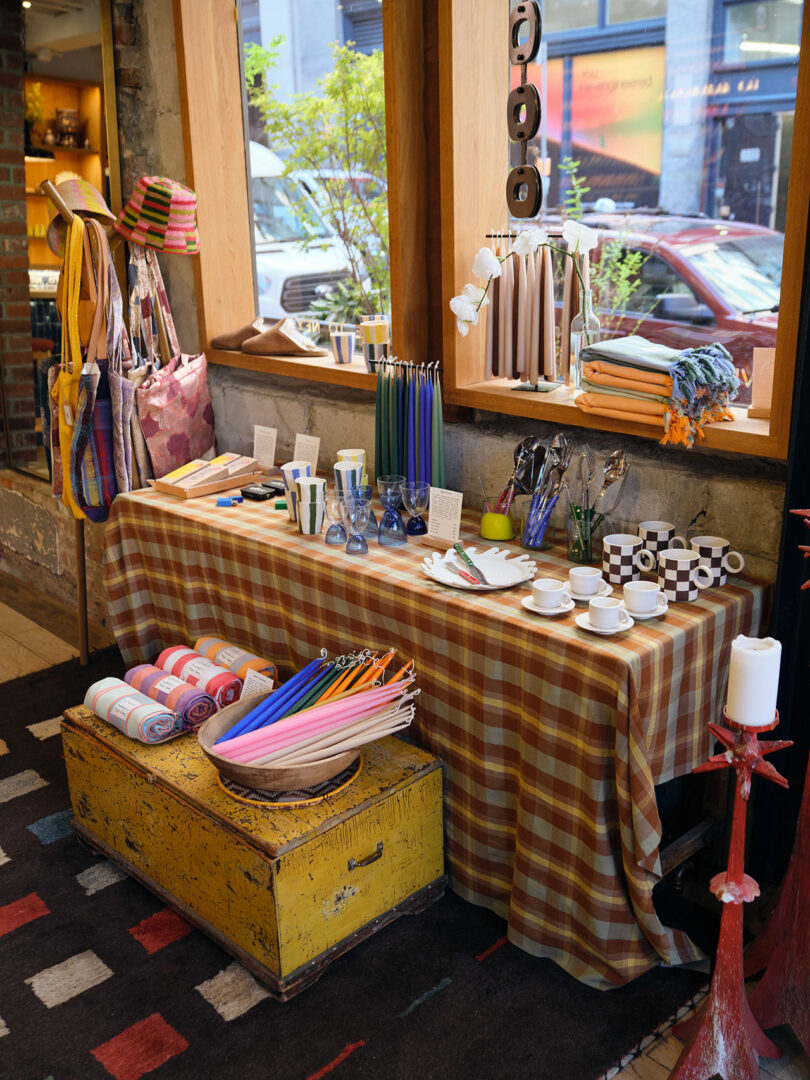
Founder Mickey Ashmore—locally referred to as the “Sabah Dealer”—began selling Sabahs out of his East Village apartment more than a decade ago. Each pair carries distinct maker’s marks, connecting customers directly to the hands that crafted them. In an age of ultra-fast fashion and increasing indifference to provenance, Sabah revives an older paradigm—one that feels surprisingly radical today: celebrating human idiosyncrasy as a feature, not a flaw.
To learn more about Sabah House NYC, visit sabah.am.
Photography courtesy of Sabah.