Souvenirs are often dismissed as novelties, even clutter when they start to piles up: postcards, magnets, snow globes, the small ephemeral artifacts that compress a place into something portable. But at their best, souvenirs do something more profound. They preserve the feeling of a destination after the moments have faded. They hold atmosphere, exaggeration, fantasy, and longing in one condensed object. Cateto Club, an experimental hospitality space on Spain’s Costa del Sol, extends that logic into architecture itself. It is not a replica, nor a purely nostalgic revival. It is a spatial memento built from memory, pleasure, and the vernacular imagination of a coast that once understood leisure as an architectural language.
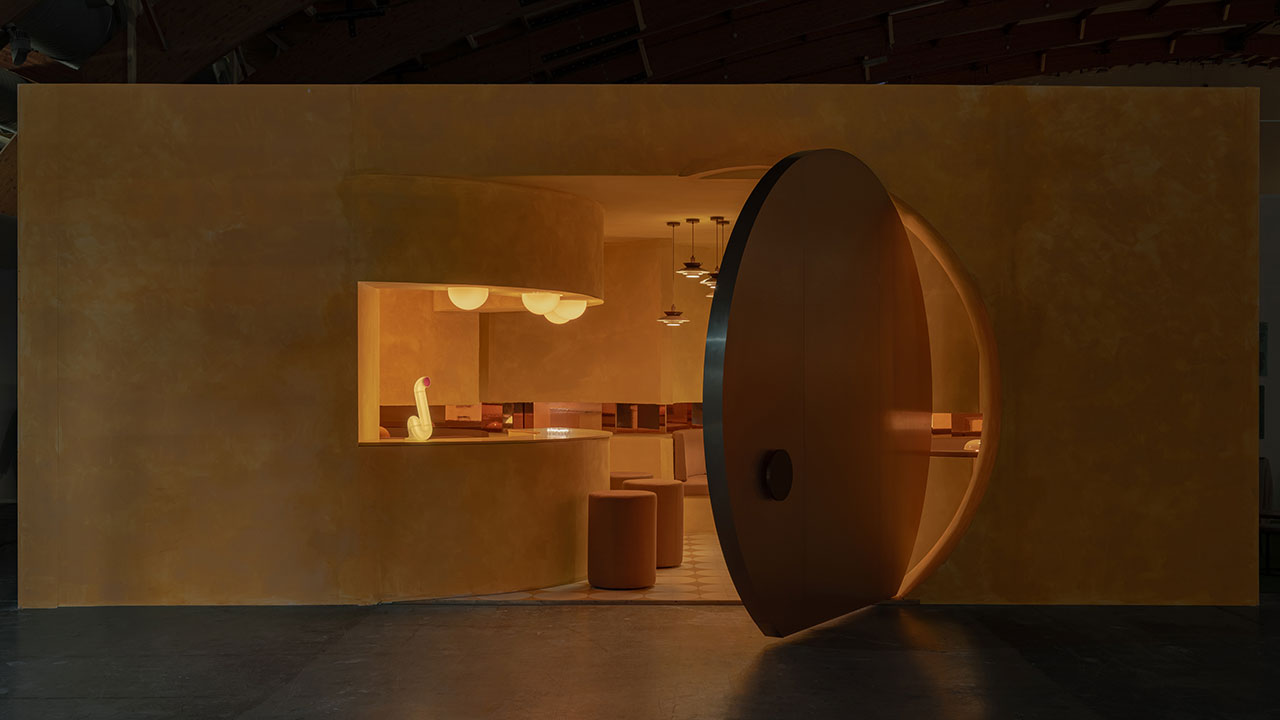
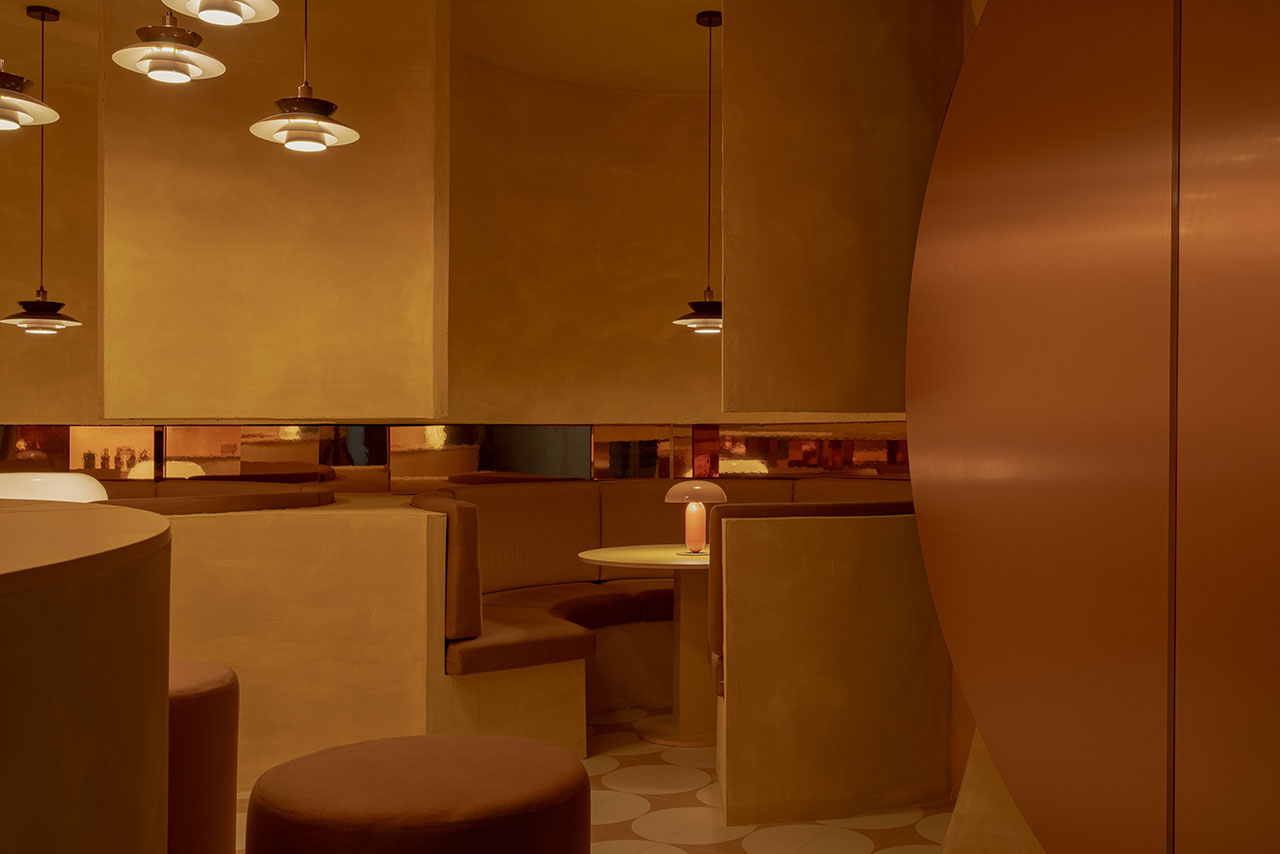
The project draws from an especially charged chapter of Spanish design history. In the 1960s, the Costa del Sol became a stage for tourism, escapism, and carefully manufactured freedom. Clubs, hotels, and roadside landmarks along the N-340 were designed to be seen, photographed, remembered, and mythologized. Their facades flirted with spectacle while their interiors offered refuge from a more restrictive social reality. Each establishment created small spaces of sensuality, color, music, and release. Cateto Club looks back to that world without flattening it into pastiche. And in doing so, designer Alejandro Cateto affords souvenir architecture equal cultural dignity as its peers.
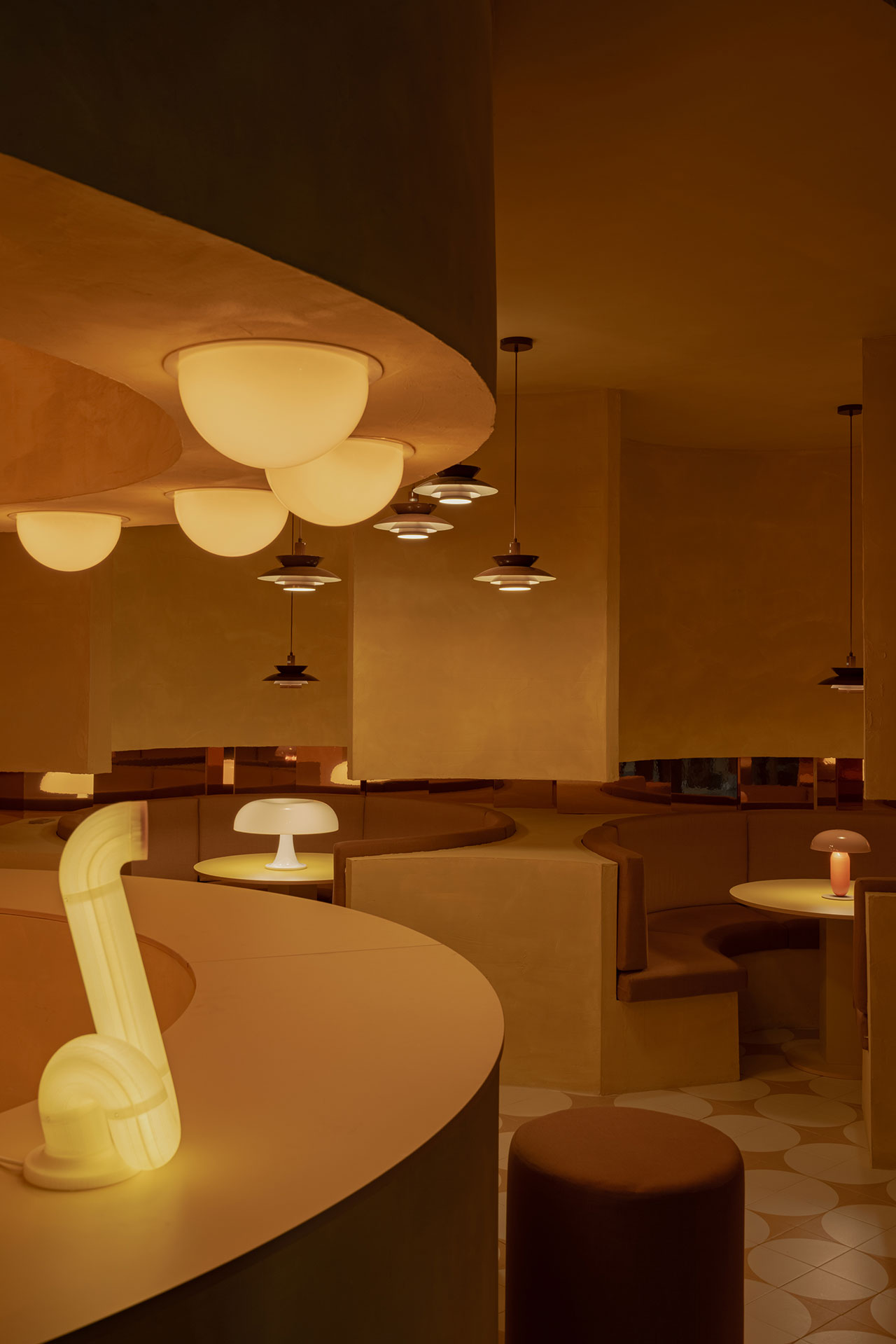
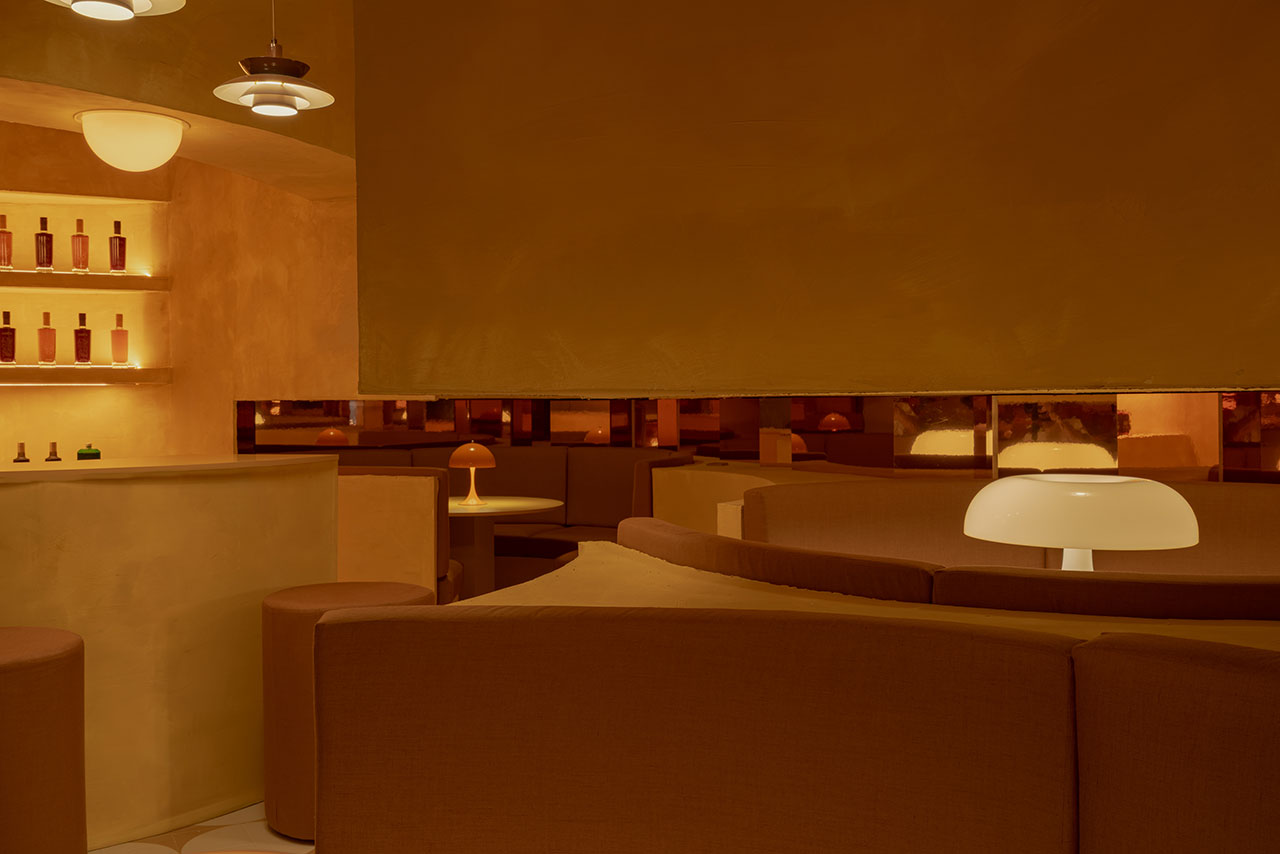
Cateto Club openly acknowledges the influence of Mario Bellini, Verner Panton, pop futurism, and radical Italian design, but it places those references alongside local leisure architecture: the Aqua-Tec diving club in Fuengirola, the brutalist Three Towers of Torremolinos, the Ciudad Sindical de Vacaciones Tiempo Libre in Marbella, and the rough, whitewashed language of places like the Marbella Club and Hotel Miami. Here, high design and vernacular architecture find themselves in a robust design dialogue.
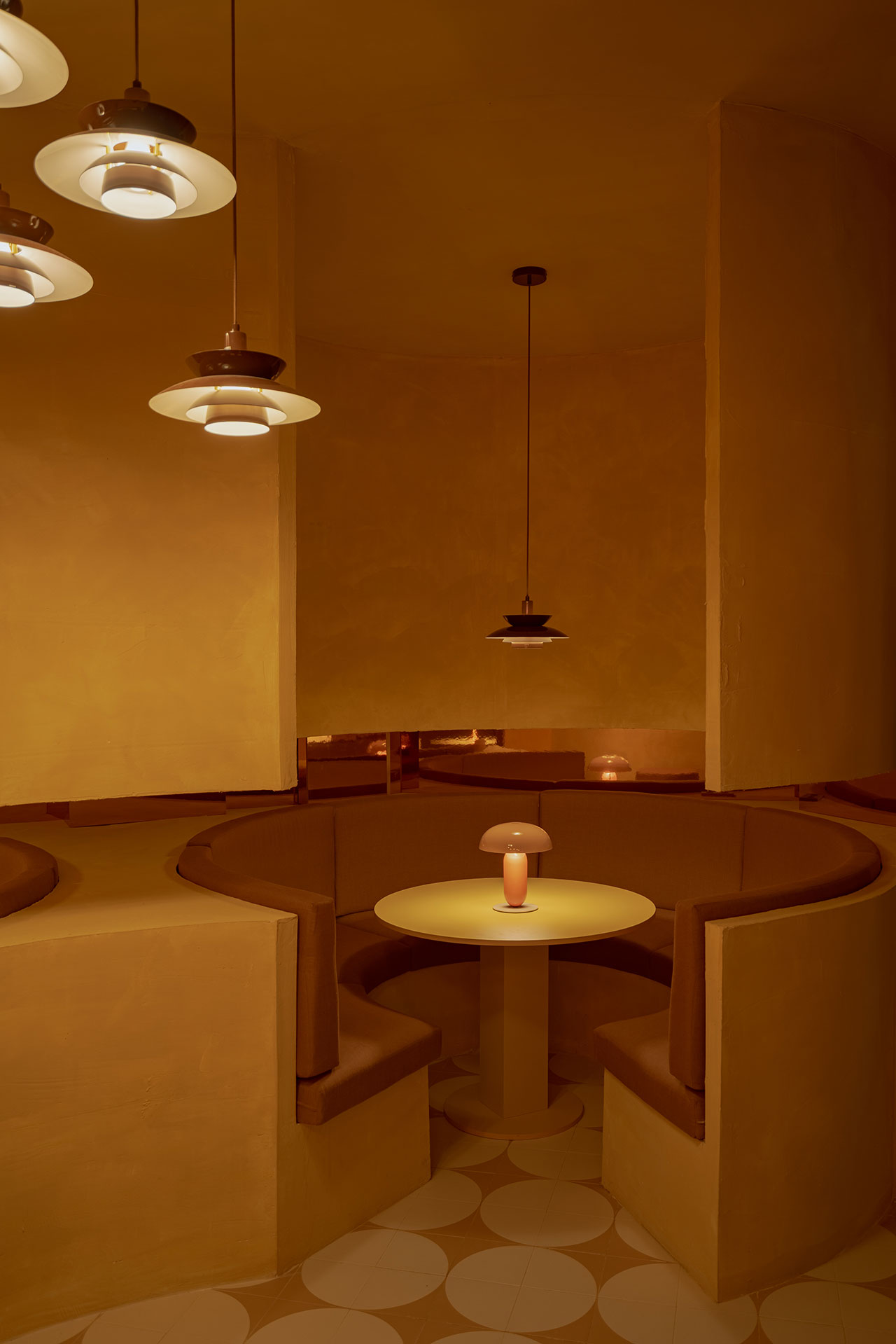
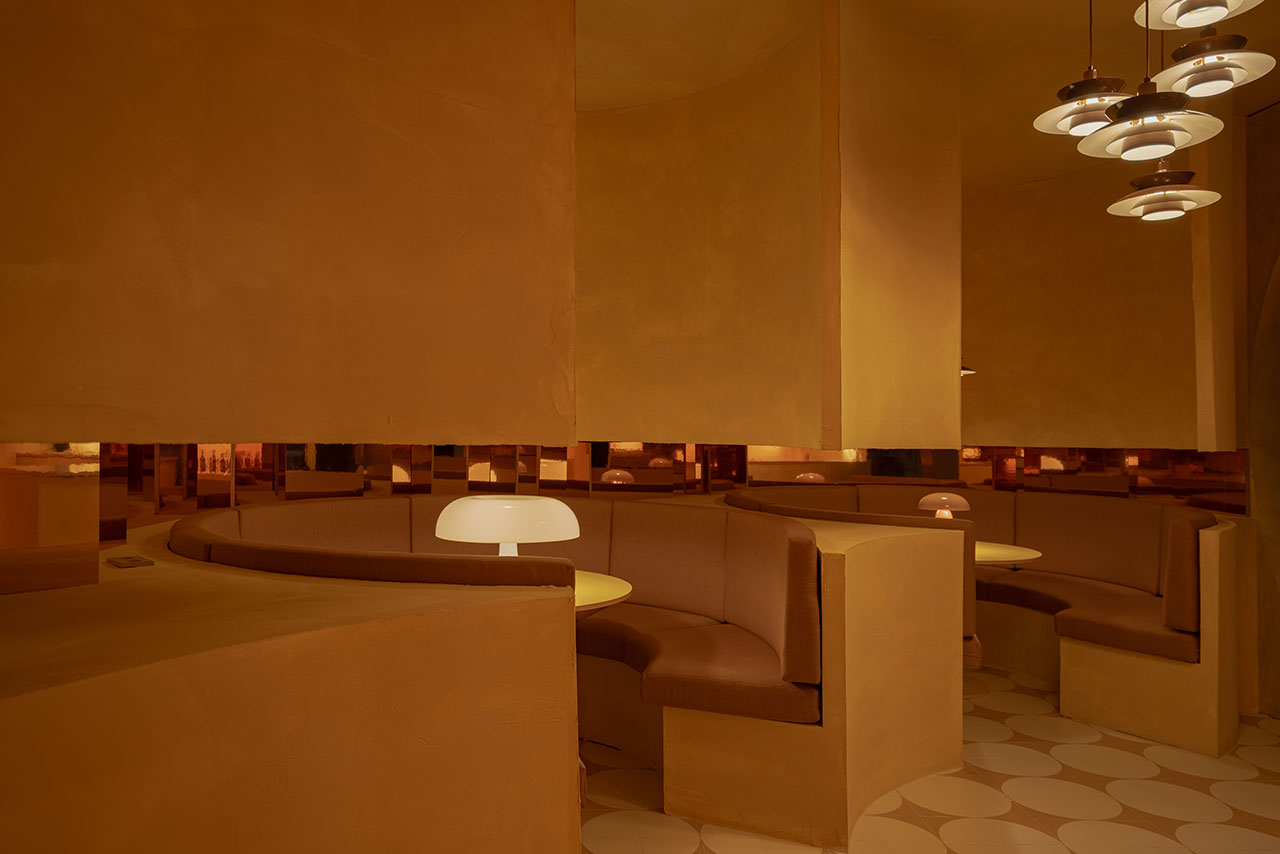
That act of equivalence gives the project its force. Architectural history often reserves seriousness for famed authors, collectible objects, and polished movements, while the architecture of tourism, nightlife, and local pleasure is relegated to the realm of kitsch or backdrop. Cateto Club rejects that distinction, asserting that the buildings people remember most vividly are not always academically sanctioned. They may be marked by a strange roadside entrance glimpsed from a car window, the peculiar door to a club, the textured wall of a patio, or the neon-lit threshold between everyday life and temporary abandon. These spaces shape collective memory precisely because they are excessive, specific, and emotionally legible.
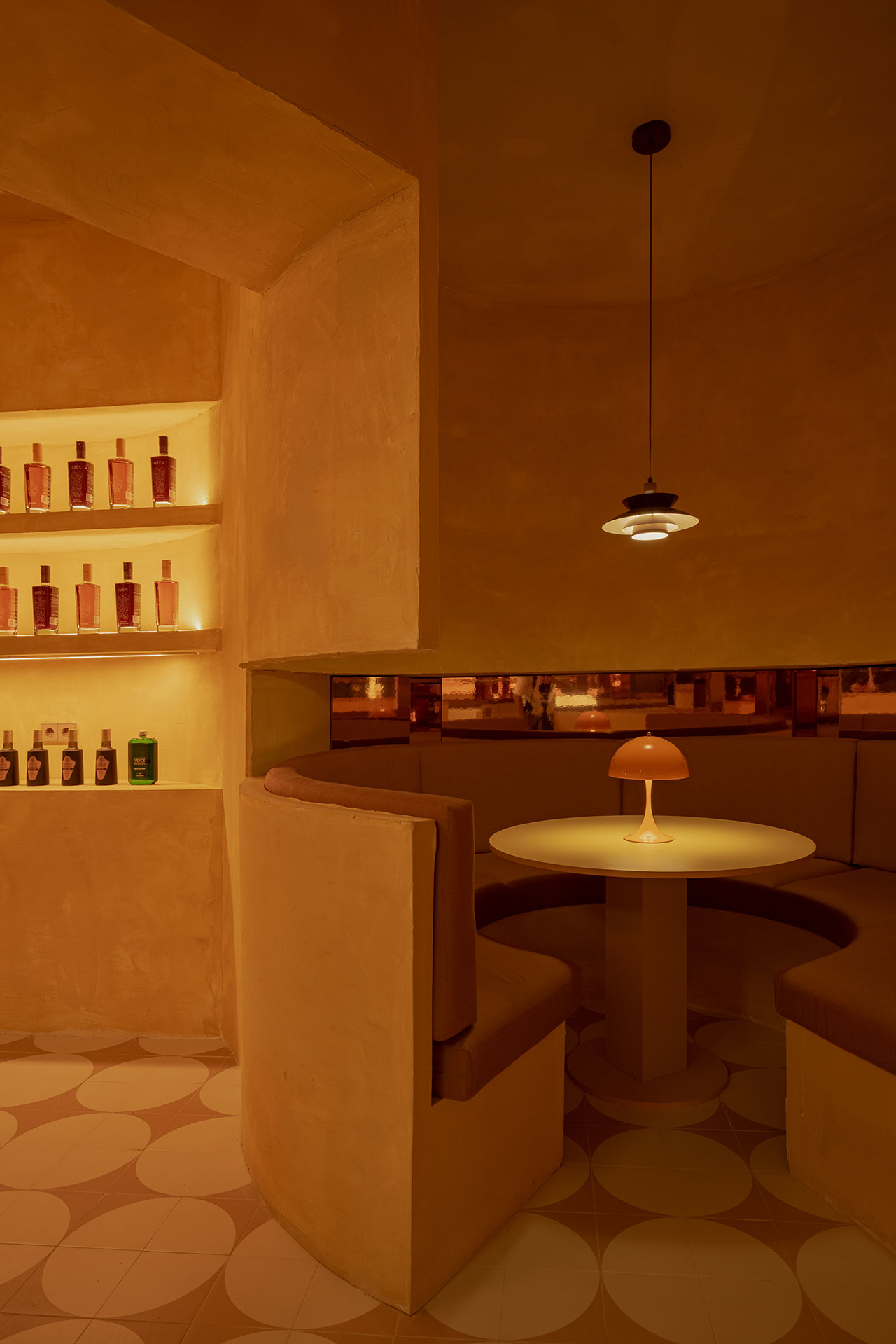
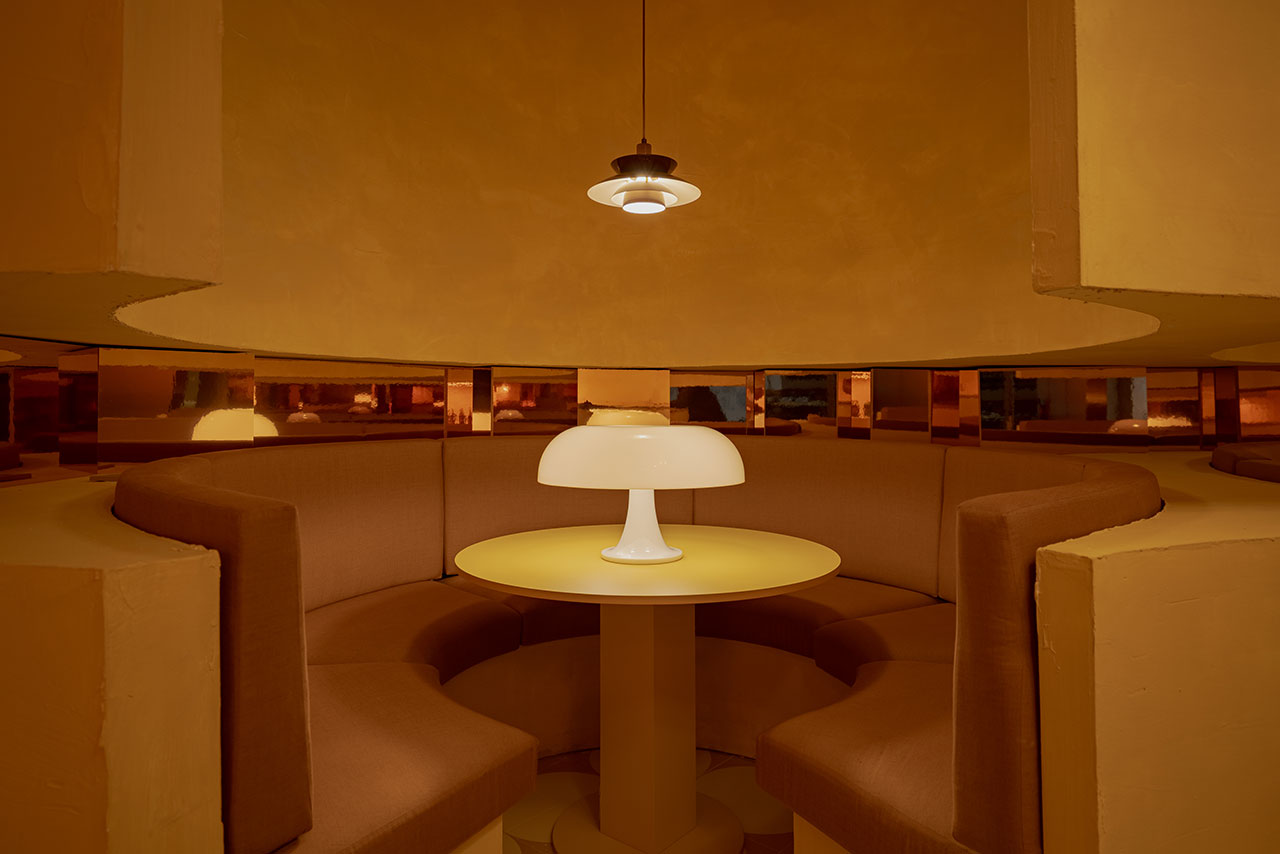
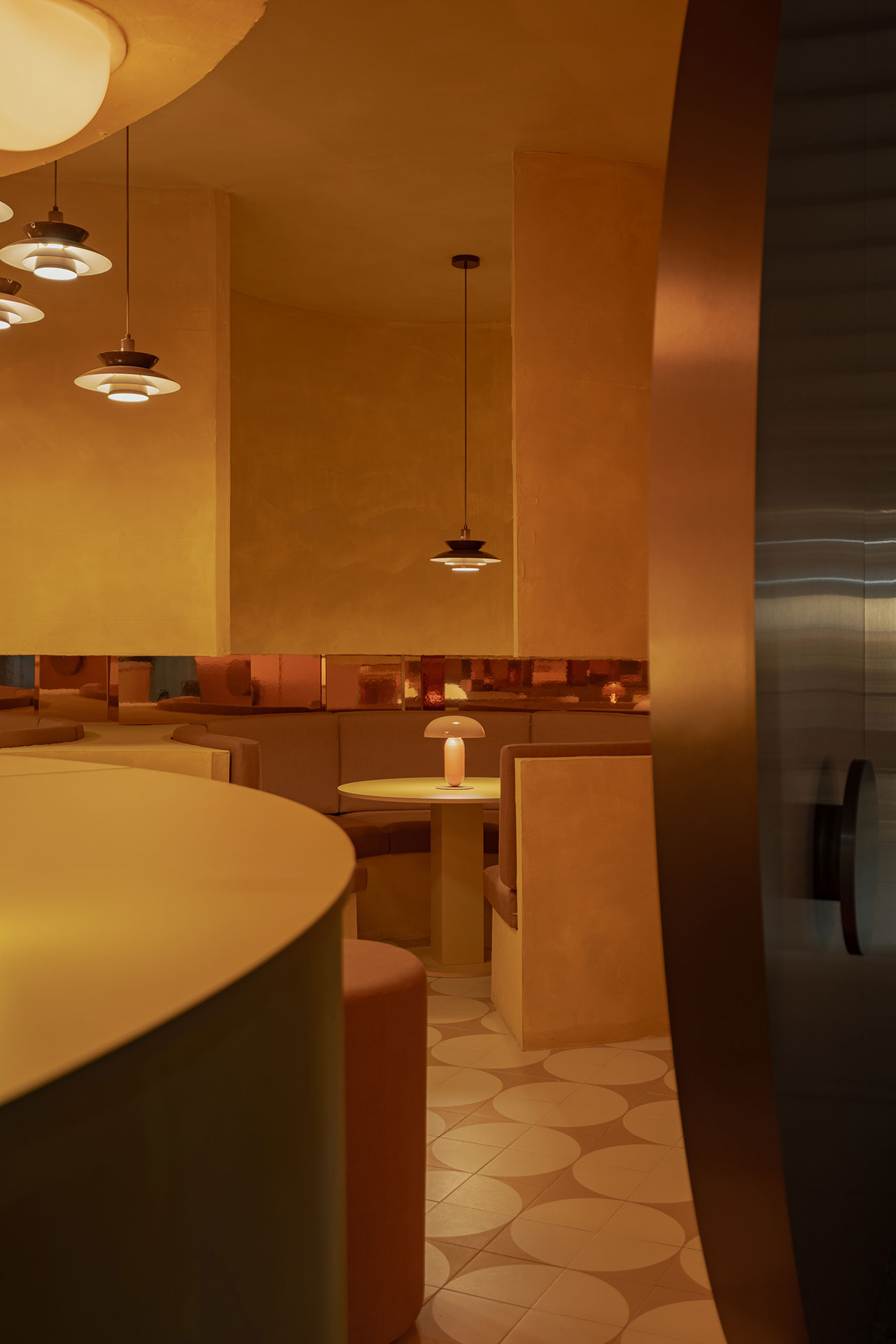
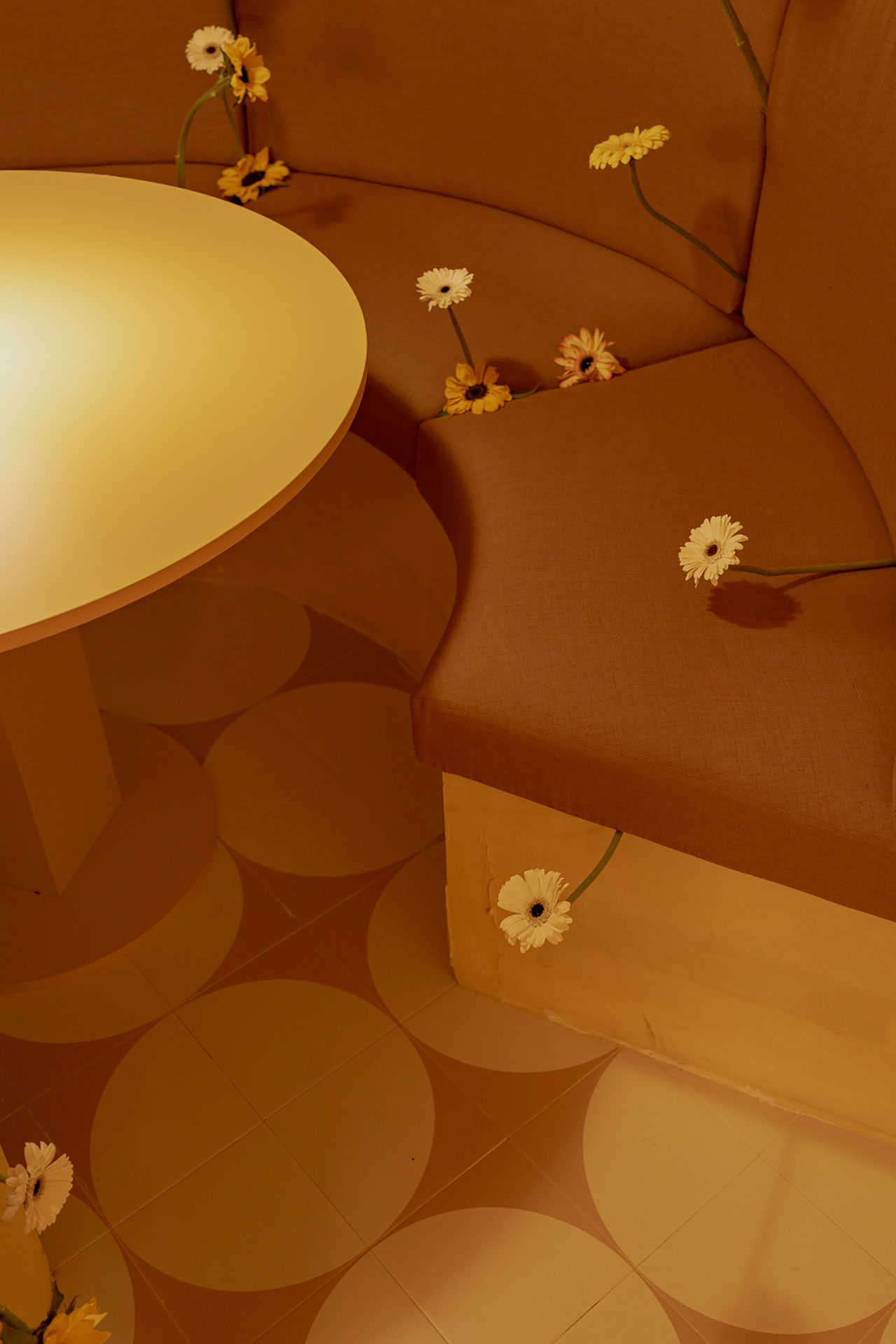
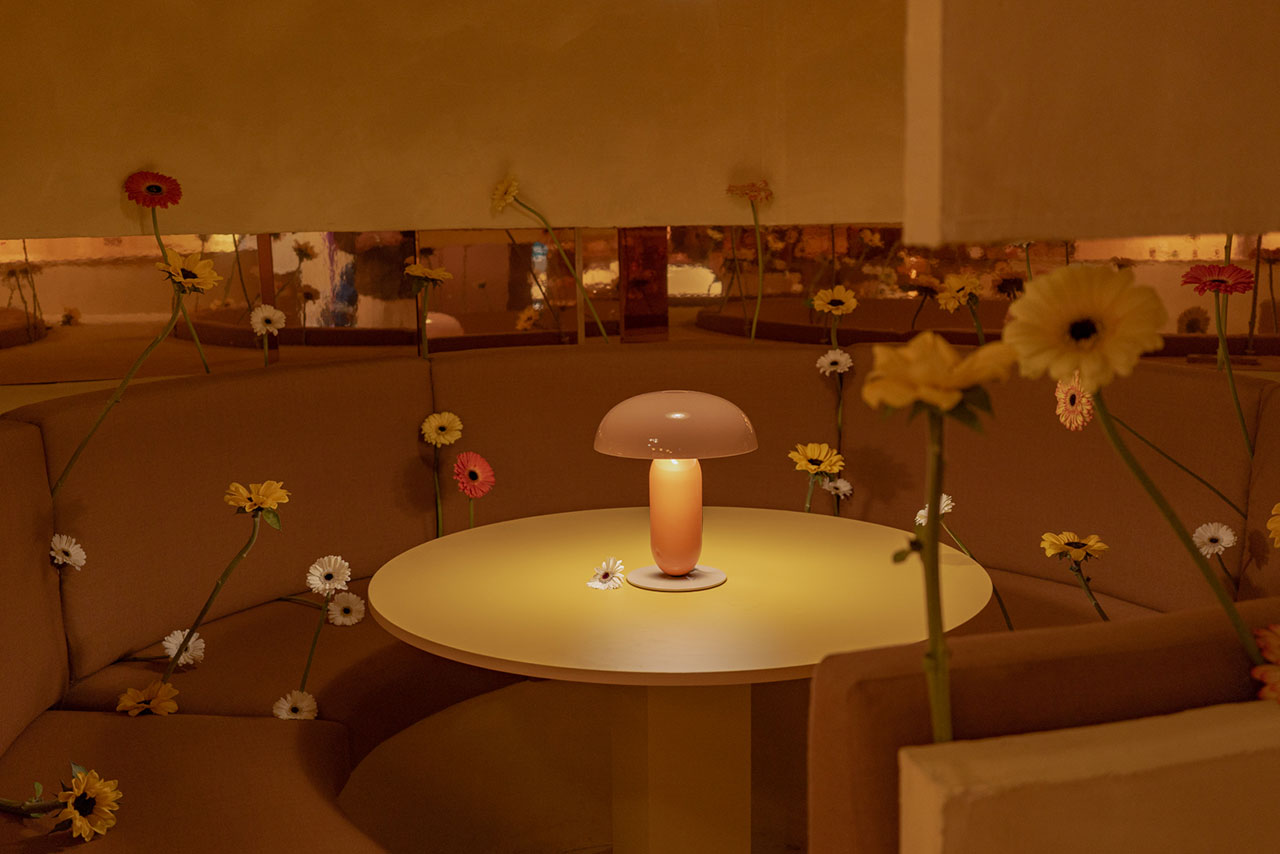
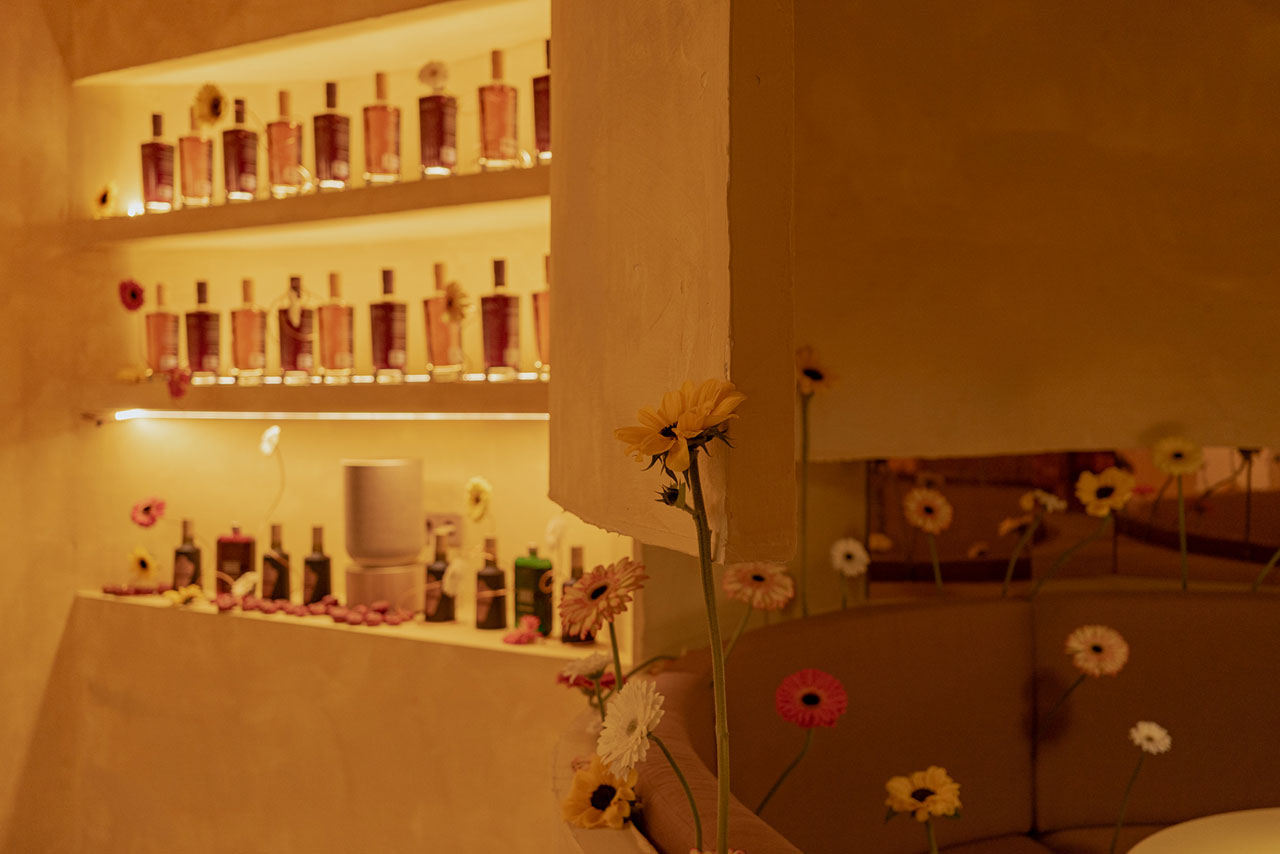
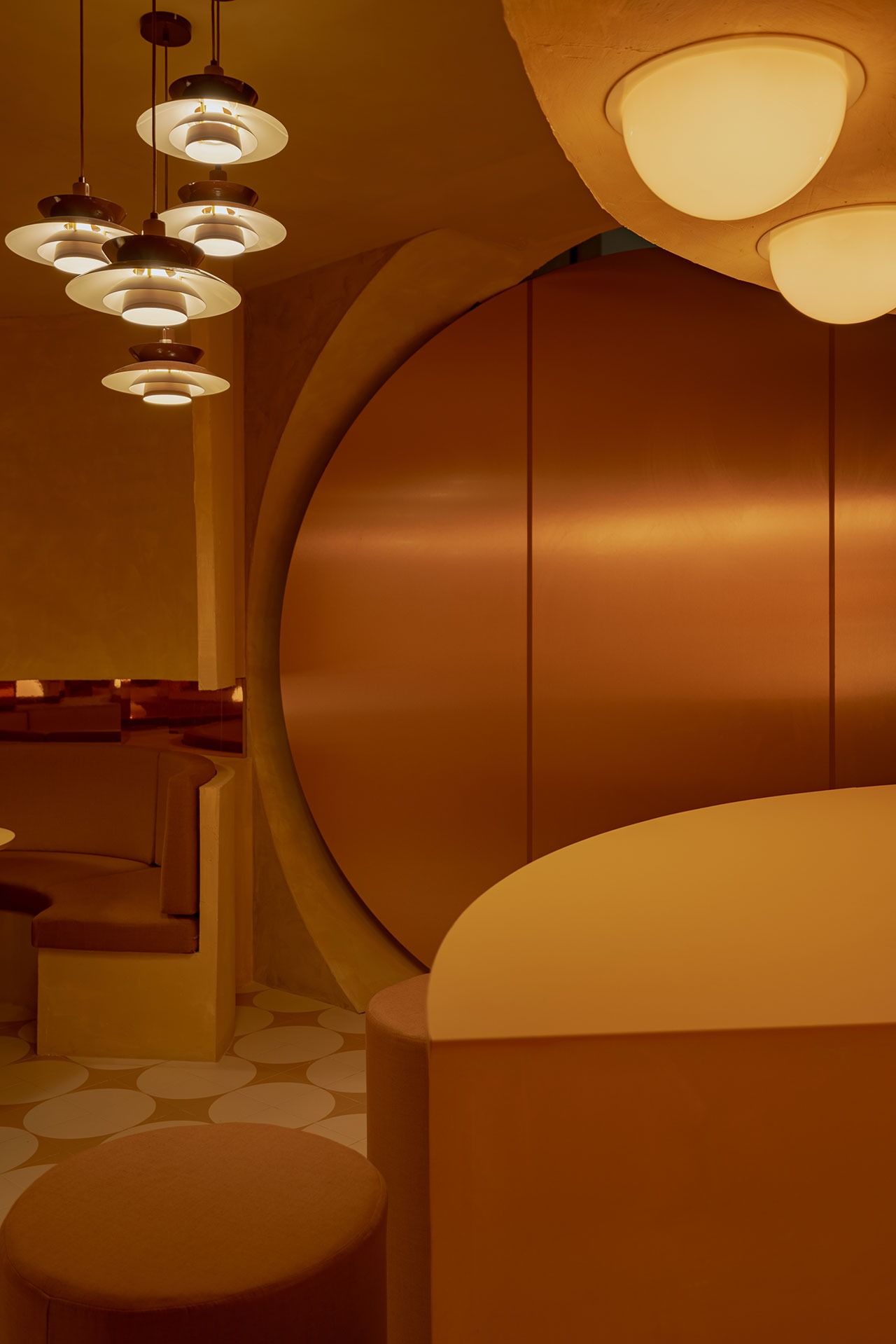
The project’s organizing gesture is the cylinder, explored with near-obsessive focus. It appears as void in seating alcoves, as mass in the bar and stools, as threshold in doors and openings, as pattern across the ceramic floor, and as sculptural lighting in the Sentry Sculpture Light designed by Ewan Lamm for Ultramar Studio. The form feels both primitive and futuristic, soft and monumental, domestic and theatrical. It also allows the project to avoid superficial theming. Rather than applying retro references as decoration, Cateto Club turns geometry into a spatial language, one that can move between furniture, architecture, ornament, and atmosphere.
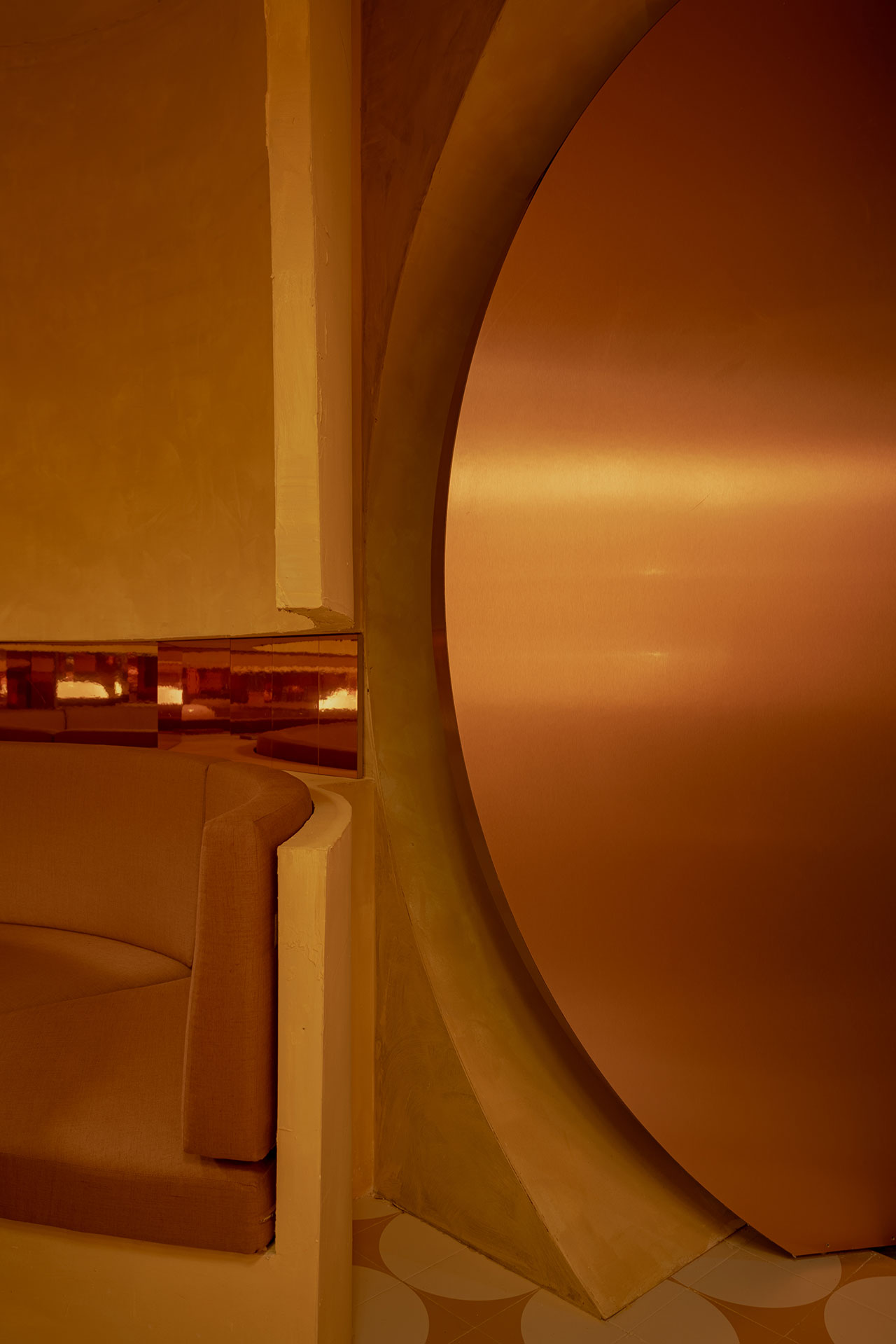
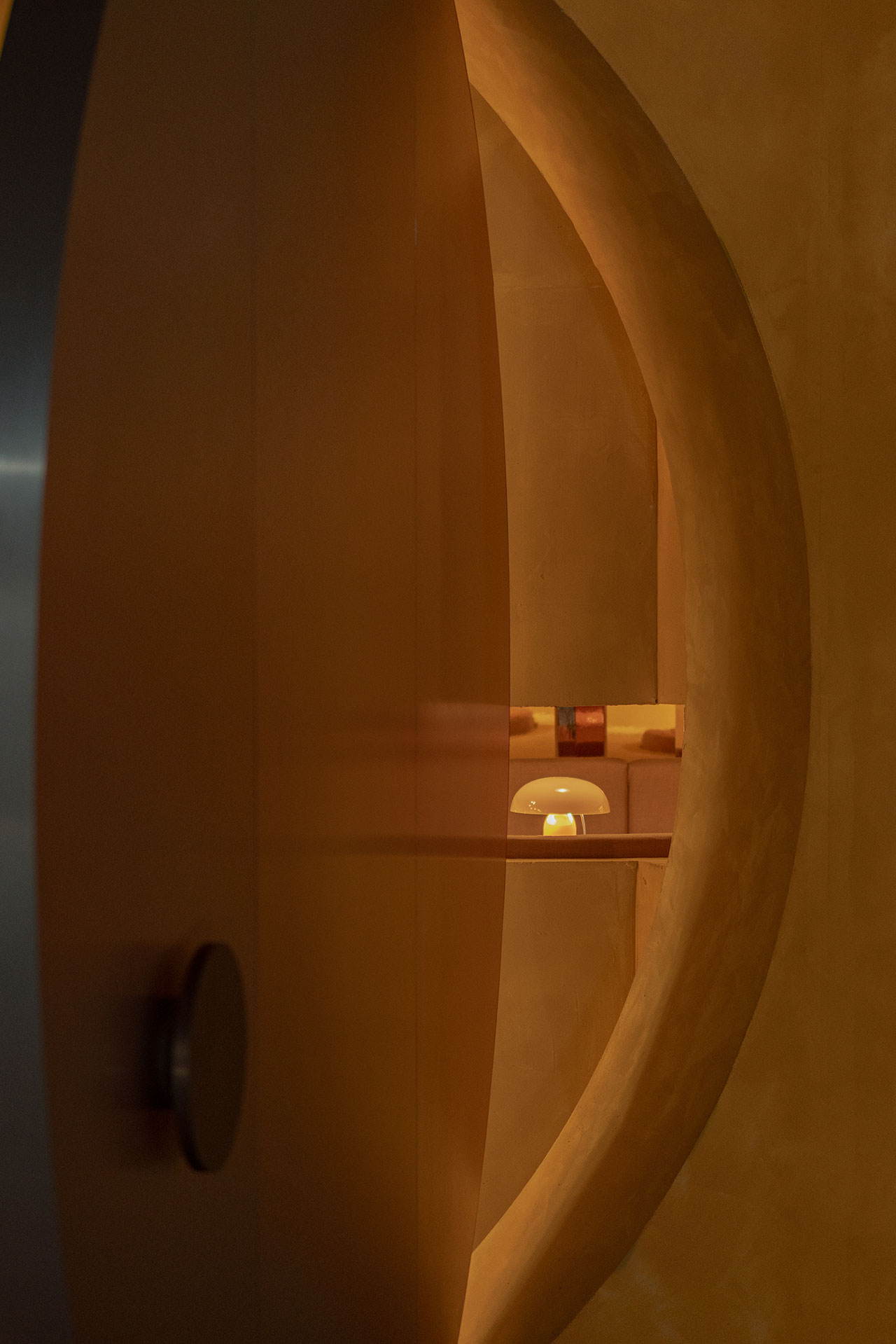
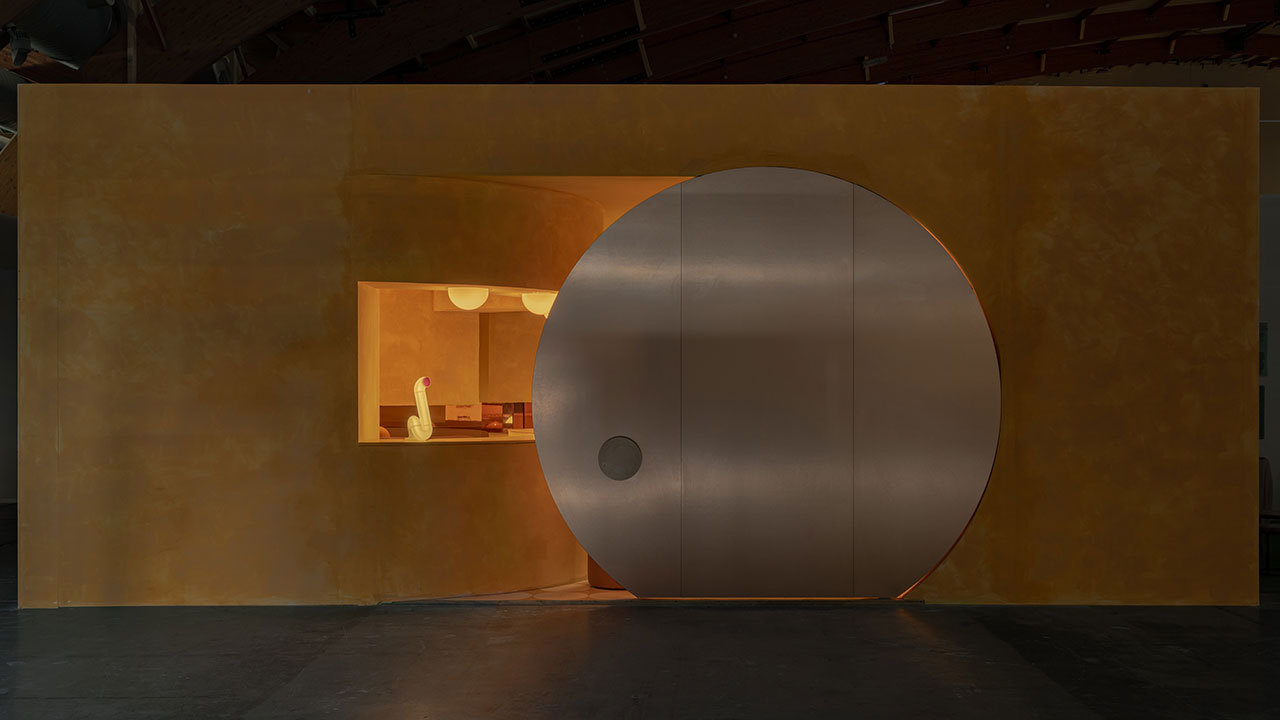
The circular entrance door is the clearest expression of that language. At three meters in diameter, it is impossible to ignore, knowingly theatrical, and almost cinematic in its frontal force. Its monumentality is not heavy or institutional. It is playful, almost flirtatious. It nods to the old nightclub facades of Montemar and Torremolinos, where architecture functioned like roadside theater, luring passing drivers with exaggerated forms. In today’s hospitality landscape, where so many interiors are optimized for algorithmic recognition yet somehow end up visually interchangeable, that kind of audacity feels newly radical.
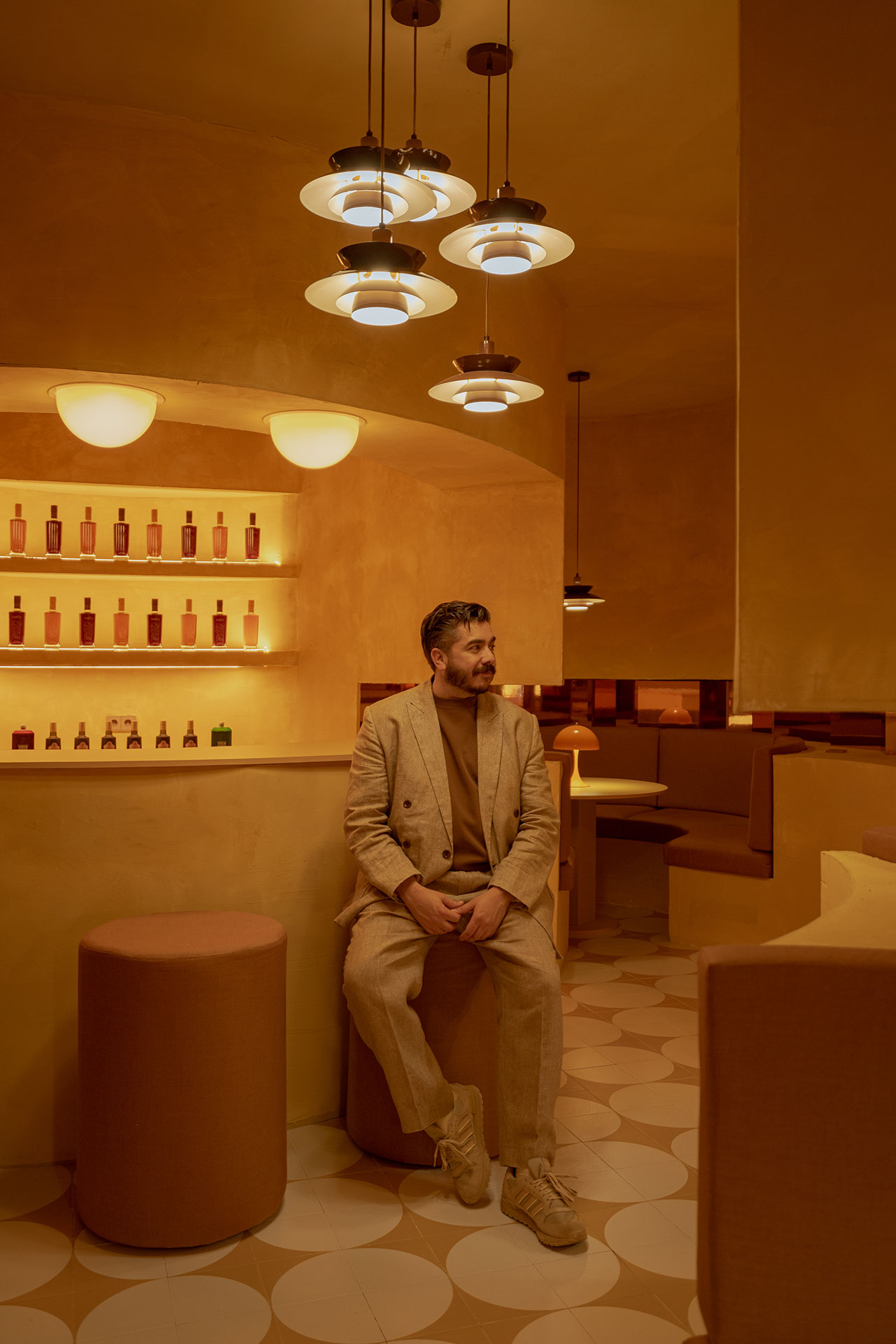
Photography by Loveladrillo.