In each episode, Play With Matches, the podcast hosted by UpSpring CEO Tiffany Rafii, delivers major takeaways from designers and industry experts — on everything from how to center craftsmanship to how good design can positively impact health. It redefines what’s possible at the intersection of creativity and business. Here are a few lessons we’ve taken away from the first season:

Sustainability Isn’t Clear Cut
Avi Rojagopal, editor of Metropolis, describes how he and his team navigate, report on and assess the ever-changing world of sustainable design. With new products and materials introduced regularly that make compelling claims for being the greenest solution yet, it’s often difficult to ascertain what’s scientifically sound versus what’s green washing. And as a magazine focused on providing perspective and a critical eye on green architecture, the stakes are high.
One major conundrum: What to do about vinyl? “Over the last two or three years, we’ve had lots of different solutions come to the market around vinyl or PVC,” Rojapopal explains. “We have on the one hand a very vocal sustainability leadership that says we should completely do away with PVC in the built environment. On the other hand, we have manufacturers who are trying to develop what they think of as more responsible versions of PVC. And often when we promote one of those more responsible versions, even Metropolis sometimes is accused of clean washing. While I can hold true that we should extricate ourselves from harmful plastic in the built environment, the truth of the matter is millions of square feet of that material are continuing to be specified and specified by designers who are on the teams of the people who tell us we shouldn’t be specifying it. For those who are able to build a project that’s completely PVC free, you should do it. Get us more examples of that. Show us that it’s possible.”
Investing in Craft Is Worth It
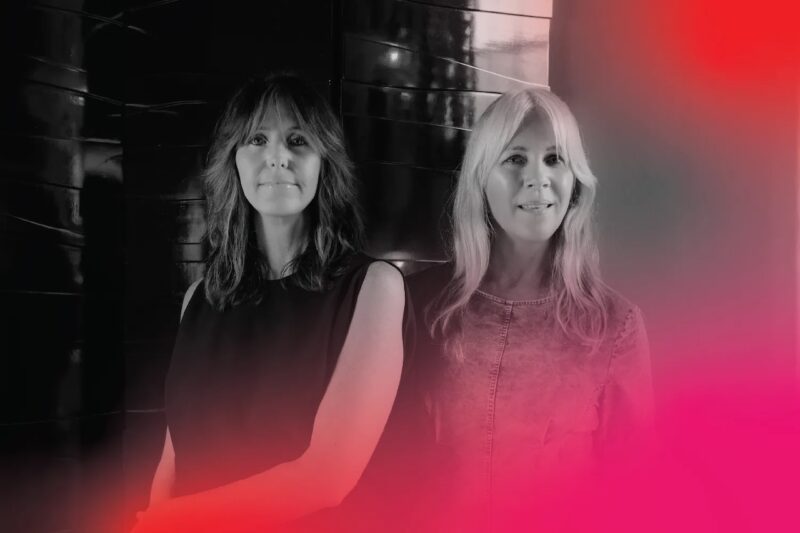
Cuff Studio, the Los Angeles outfit founded by Kristi Bender and Wendy Schwartz, started out in interior design, but has been creating bespoke furniture and lighting for fellow interiors professionals since 2018. “We said, let’s create a collection, put it out into the world and see what happens,” explains the duo. And it began with the right instinct: To connect with local artisans, from ceramics craftspeople to glass artists who can elegant their products. “All of the manufacturing, our first gallery and showroom on our home turf and to be very high touch, like with the clientele, with the artisans, learning, listening, asking questions. It was hugely important in being successful.”
They aim for everything they do to be personal, available and authentic, constantly querying what’s missing in the industry to provide real solutions. “So when we’re talking to now our client, who’s an interior designer, we understand where they’re coming from. We understand the pressures and the stress that they can sometimes be under. I think that has really informed how we do business, how we communicate, how we take care of each of our clients.” At the end, clients have pieces that look very different and feel special compared to mass-produced retail pieces. They endure because they are made with care — and because they have embedded meaning. “You can see the hand, the love, the thoughtfulness.”
Design Impacts Health — And Can Be Life-Saving
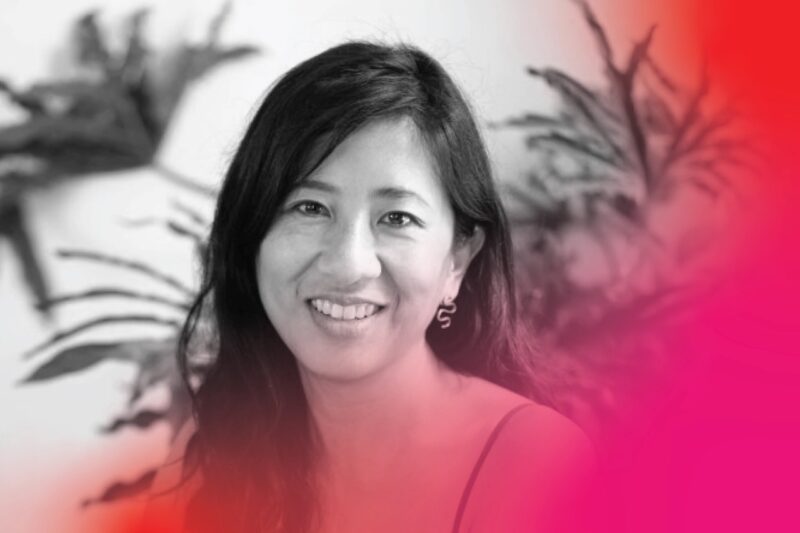
Architecture isn’t neutral — it effects real outcomes, especially when it comes to health. Amie Shao, Principal and Senior Director at Model of Architecture Serving Society (MASS), leads listeners on her journey through maternal health, through her personal and professional experiences both. When she was pregnant with twins, Shao had complications that led to hospitalization and premature birth. She spent the first weeks of her babies lives reaching out to them through the holes in the plastic incubator that held them. “Then years later in Malawi, I was assessing a health facility when I heard this sobbing and I watched a mother collapse to the floor,” she recounts. “Her baby had just died from the same condition that mine had survived, and the hospital didn’t have the equipment to treat this really preventable death. The reason they didn’t have that equipment was because they didn’t have a designated space or the right space for newborn care.”
Shao’s work in maternal newborn health is driven by her need to do something about the hospital spaces — often cold and unwelcoming — that many expectant mothers try to avoid altogether in Malawi. MASS’s Maternity Waiting Village is the response: It gets them to the hospital in the lead up to childbirth, and provides them and their companions with a dignified space to await labour. In a country with one of the highest maternal mortality rates, being at the hospital when the time comes is one of the most important factors in surviving and thriving. The MWV features small residential groupings clustered around courtyards, and filled with education, gathering and cooking spaces. After it opened, MASS conducted a survey with 600 women on their experiences there, in terms of privacy, sanitation, safety and comfort, and found that the new improved design scored much higher across every area than its predecessor.

Inclusion Needs to Be Intentional, From the Start
“It’s always been fascinating to know that you could create something that people have these unique experiences in, and how you do that could influence if it’s a good experience or a bad experience,” explains Adaeze Cadet, design principal at HOK. “It really starts from a good beginning to the project, and understanding that every building we build, no matter what type, it is affecting the community around it, and it’s affecting the ecosystem that we’re building for as well.”
Cadet emphasizes an engagement-led process that brings the focus on the plurality of perspectives at play. Who are we designing for — and what are their aspirations? “Some architects get very excited to just go and start proposing these ideas, but you really have to slow down and understand the problem and the challenges, and who’s it’s affecting. And from there build some creative solutions that really start to celebrate that community that we’re building for and in. It’s a lot of research at the beginning, a lot of just asking questions of the ownership, who are we designing for, who are those stakeholders, how are they going to be working. And then understanding the design challenges that they’re trying to solve for, and being open to proposing ones that maybe our clients haven’t even thought of.”

Be Yourself: The Personal Is Professional
If you have a truly unique style, especially one that favours eclecticism and vibrancy over the safe, neutral tones and shapes that seem ubiquitous in interior design, how do you get clients on board? This episode featuring Pallavi Dean of Dubai studio Roar has loads of inspiration. If you’ve encountered Roar’s colourful, layered spaces in person or on Instagram, you can see the personality shine through. The studio’s DNA, according to Dean, weaves together three strands: an unapologetic point of view, a research-driven process and a clear sense of entrepreneurship. “It’s three-legged stool: If one leg is missing you fall over,” says Dean. “We’re not run of the mill. Sometimes that point of view contradicts the trends at the time. But it keeps away the people don’t want to work with, and creates synergy with people I do want to work with.” And it’s not just cheeky, un-boring design: It’s rooted in Dean’s research-driven approach.
“I have a research driven approach, but how do I ensure every single project or every single client gets that when they sign up with us? We’ve developed something called UXD, User Experience Design. It’s a 25 step process that every single designer at Roar has to go through before they submit a project. Simple things like, is the space going to have a great story? Is the space going to make people smile? There are some more qualitative, experiential questions like that, but then they’ll be, has it hit the function?”